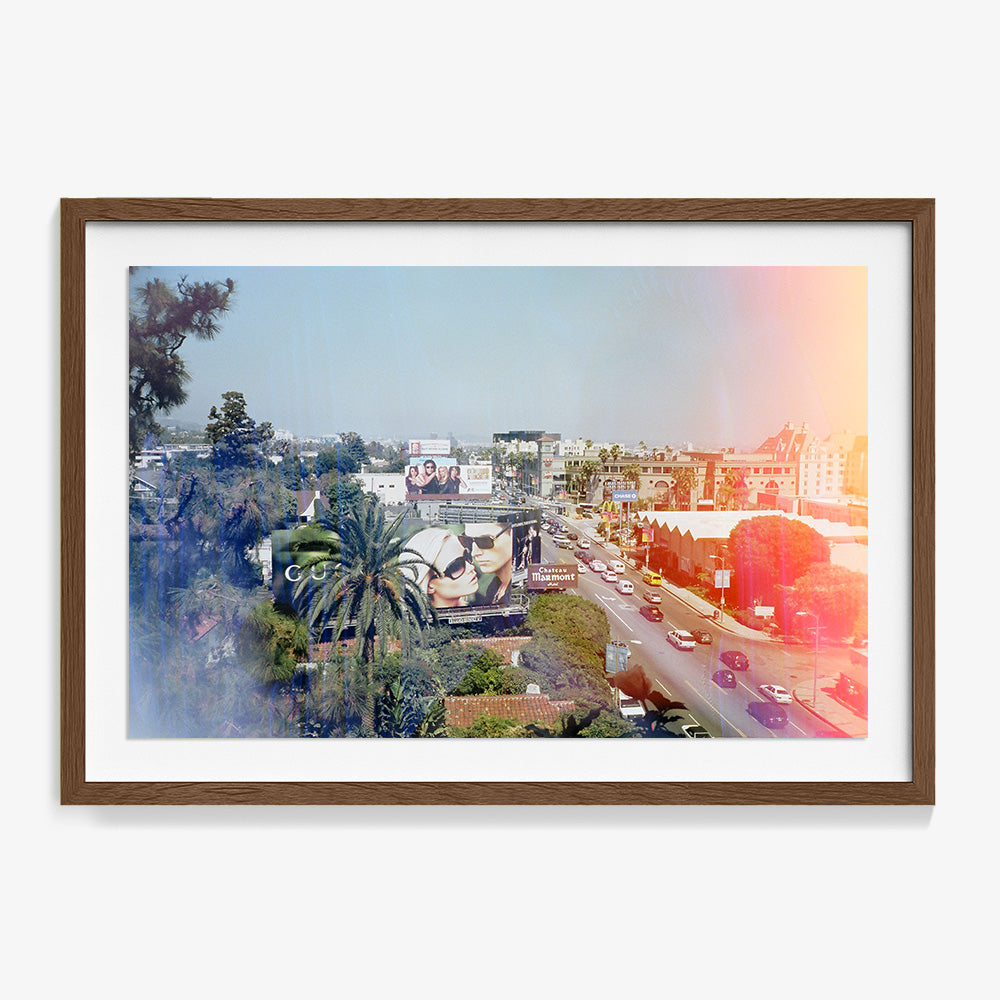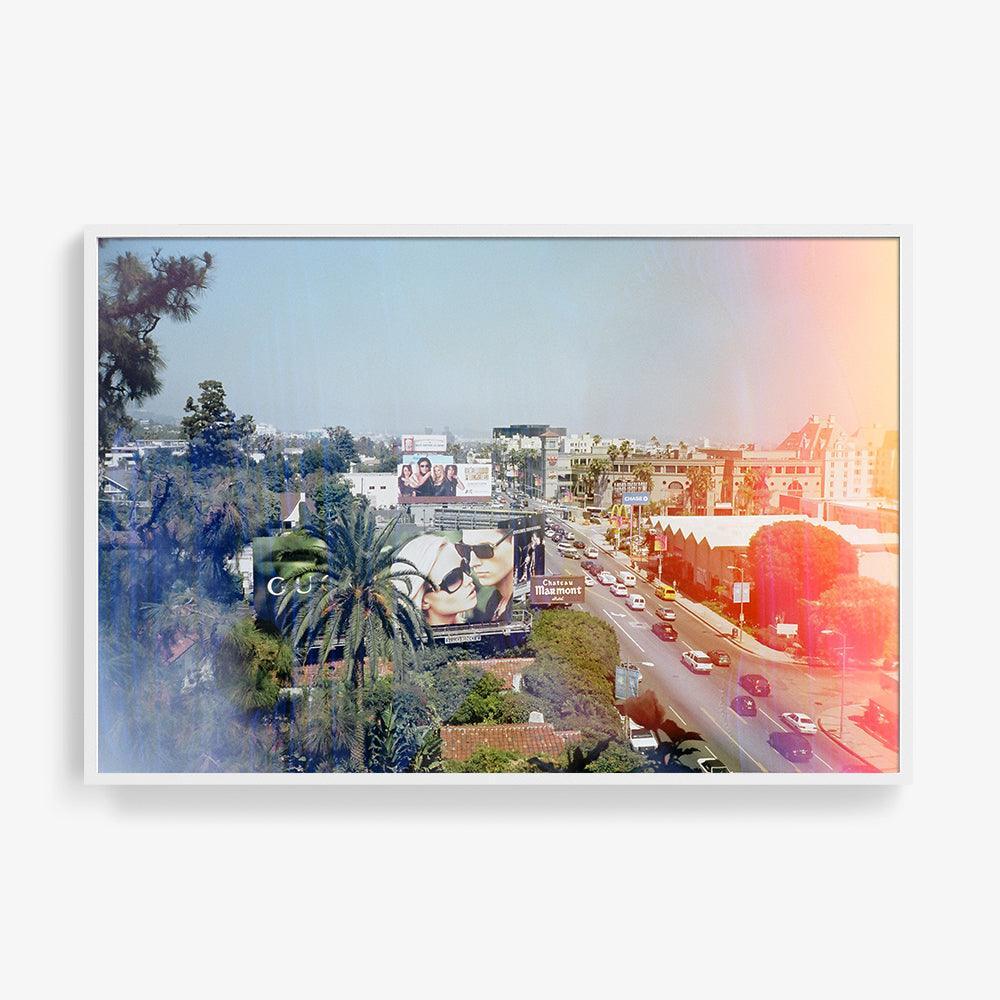

Hand-built Archival Framing
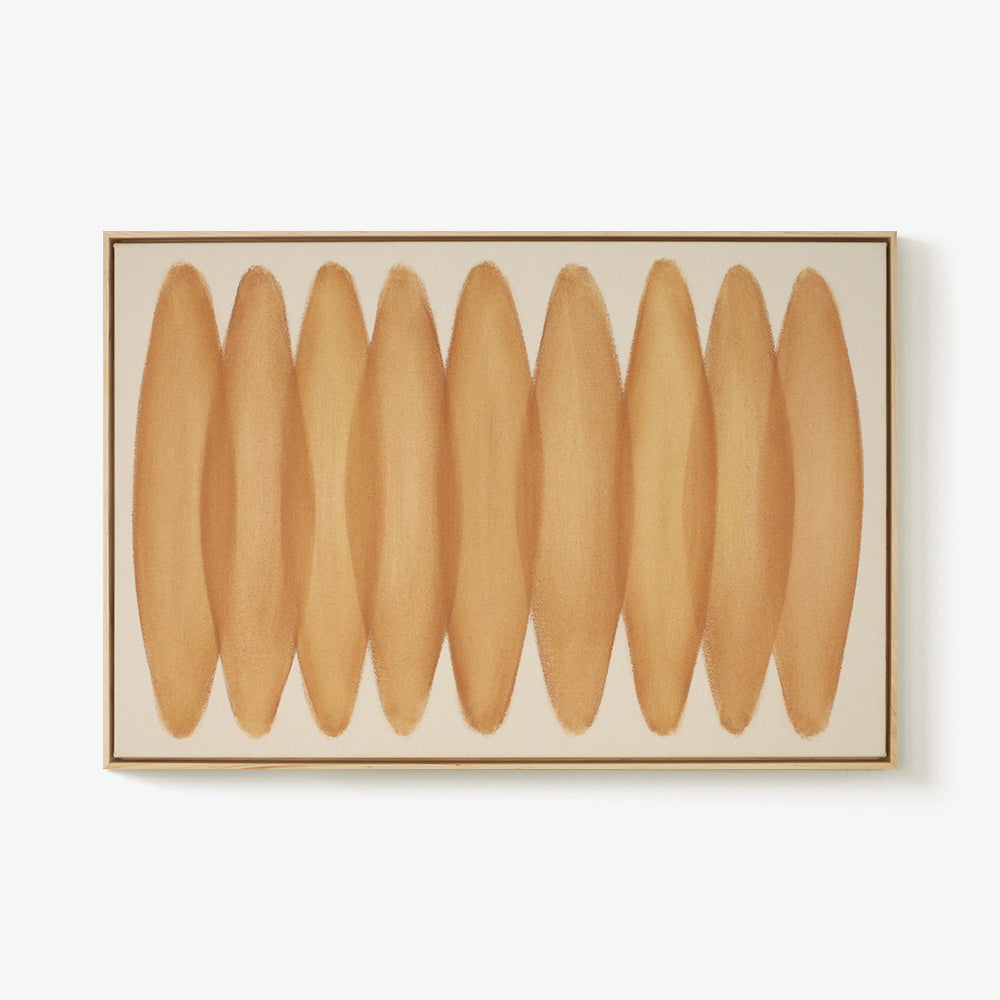
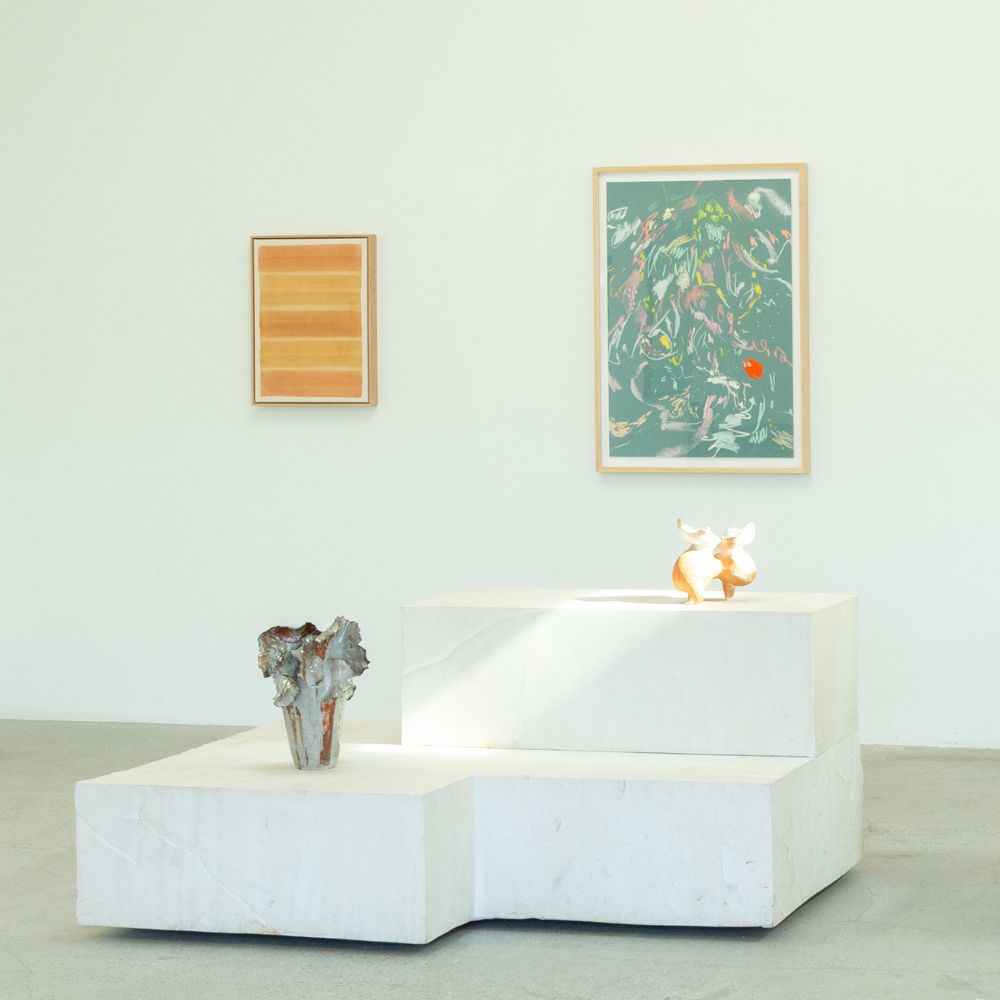
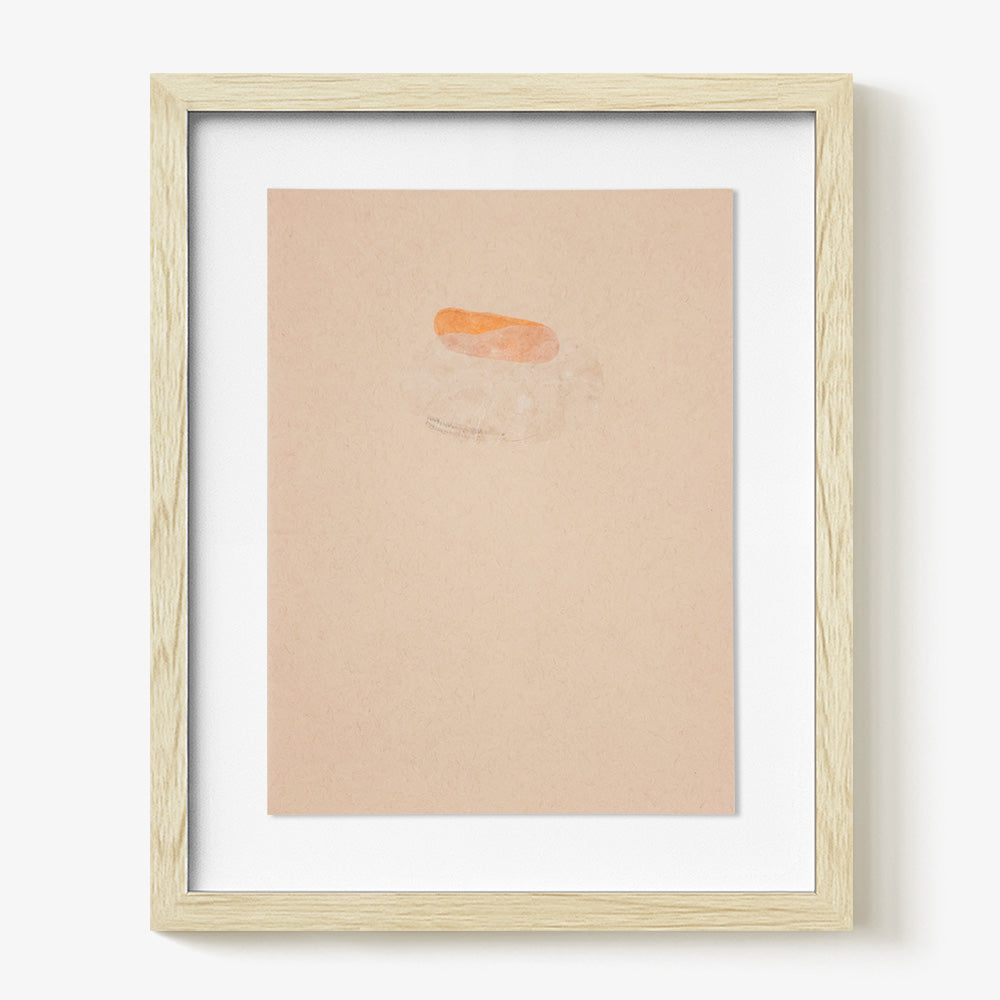
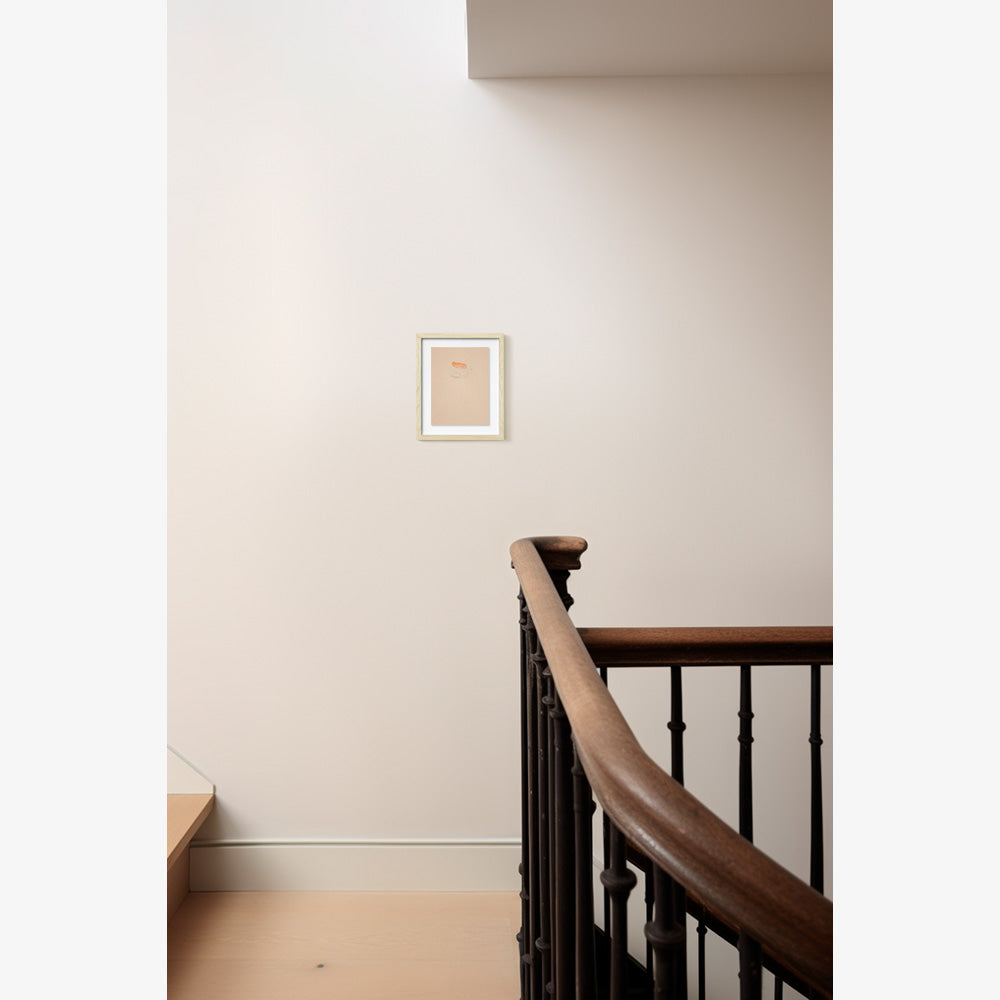
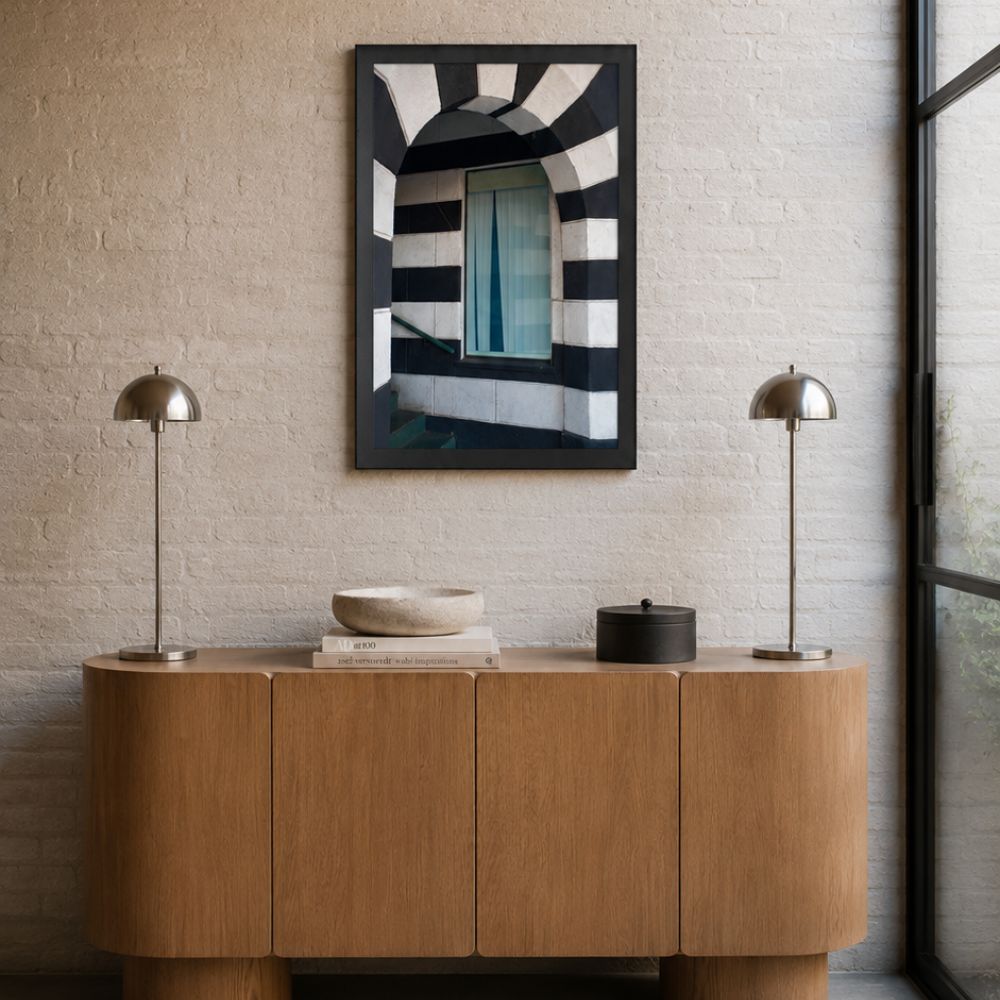
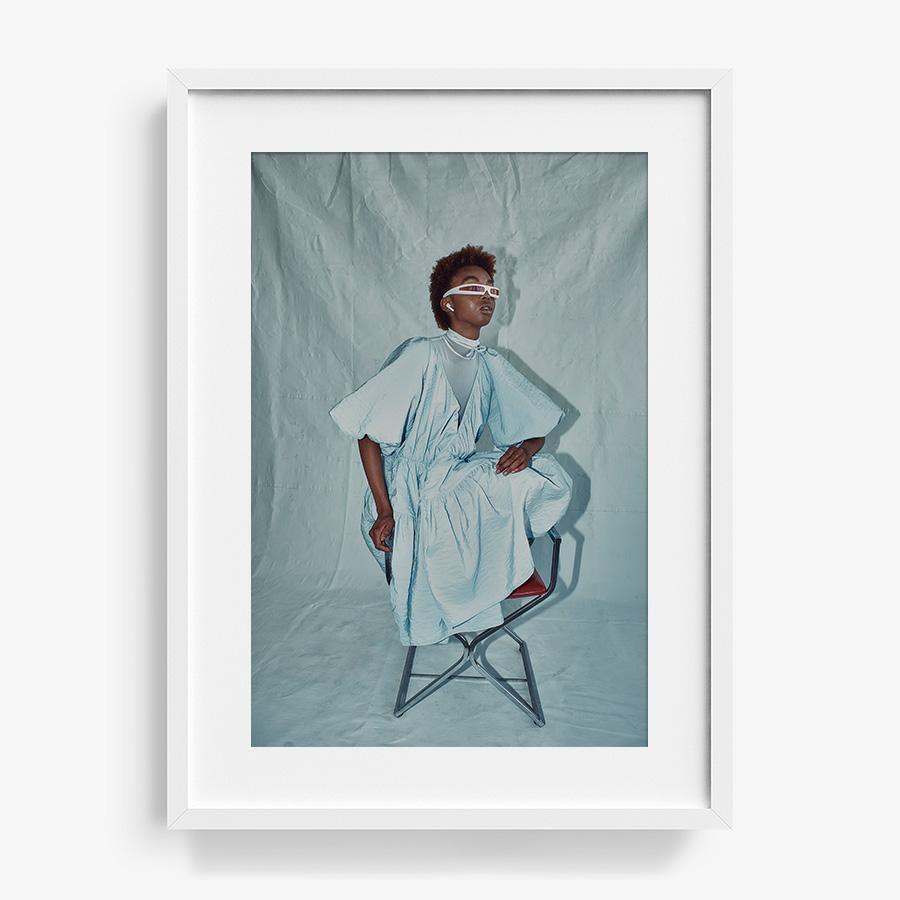
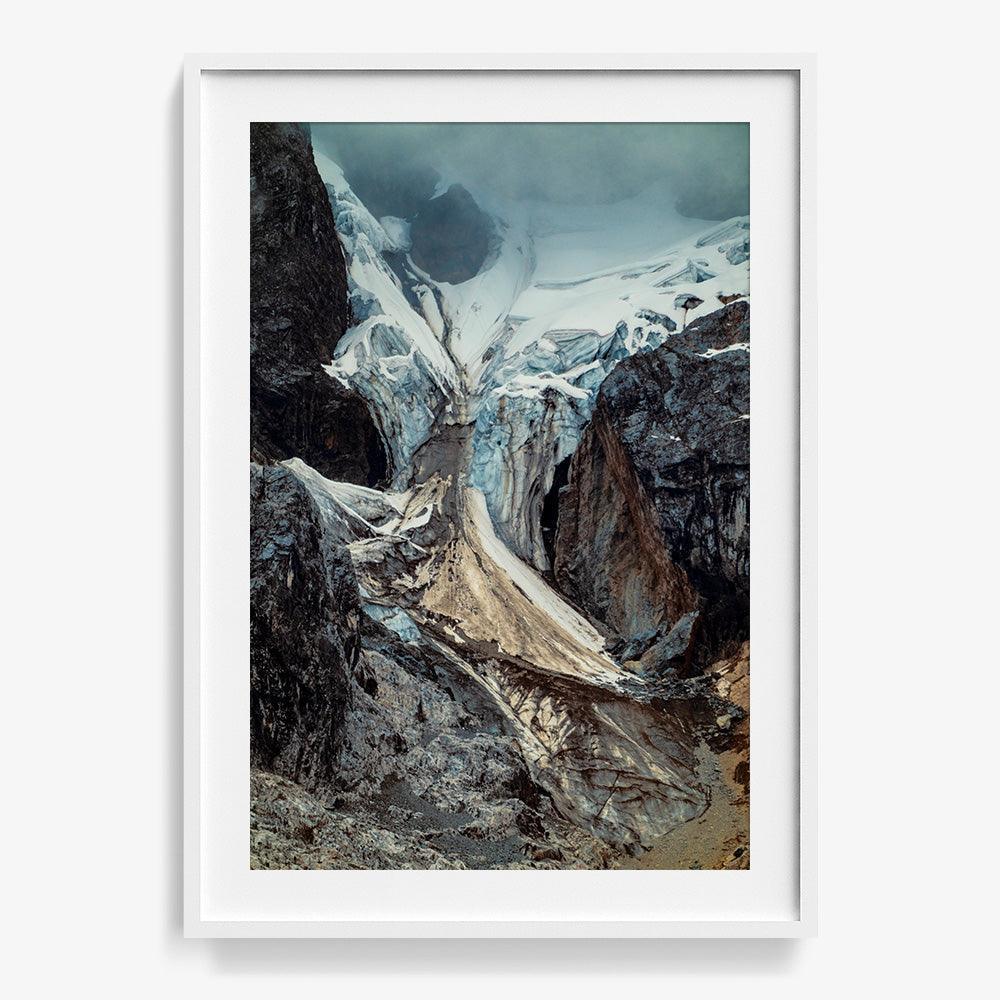
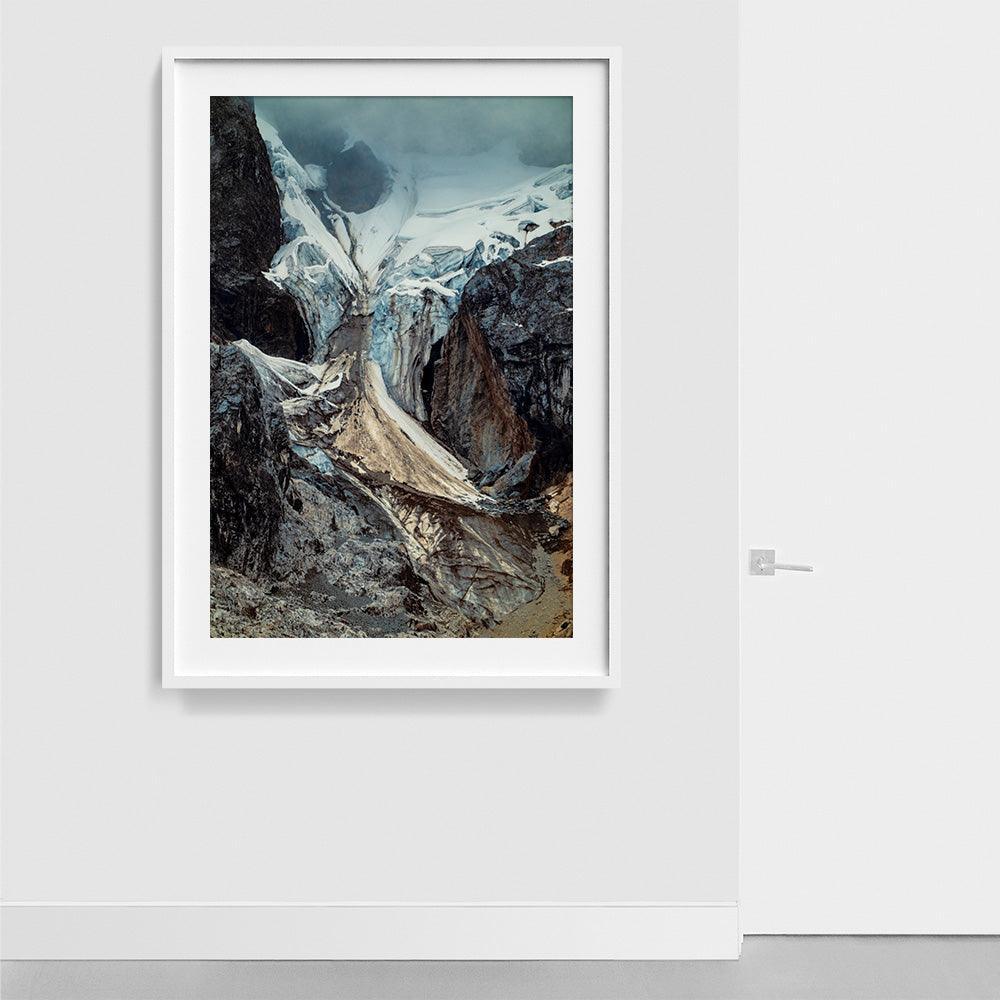
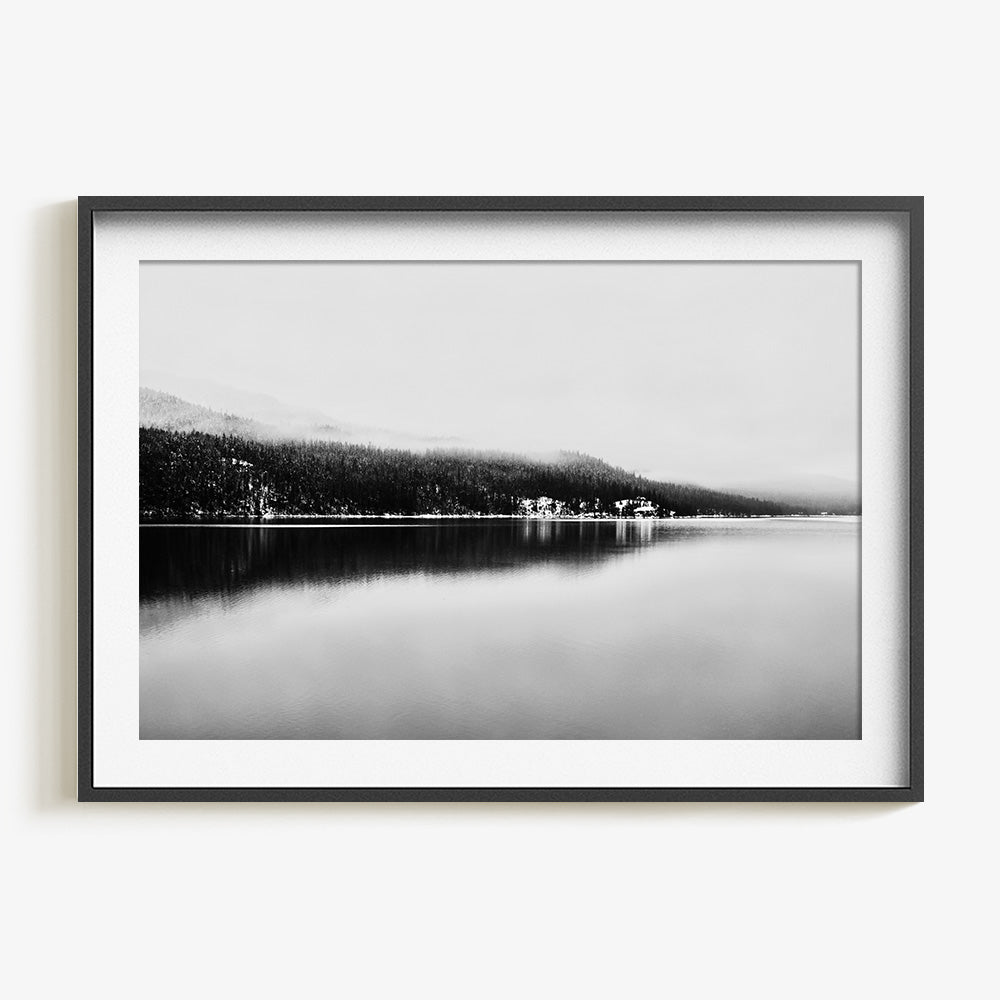
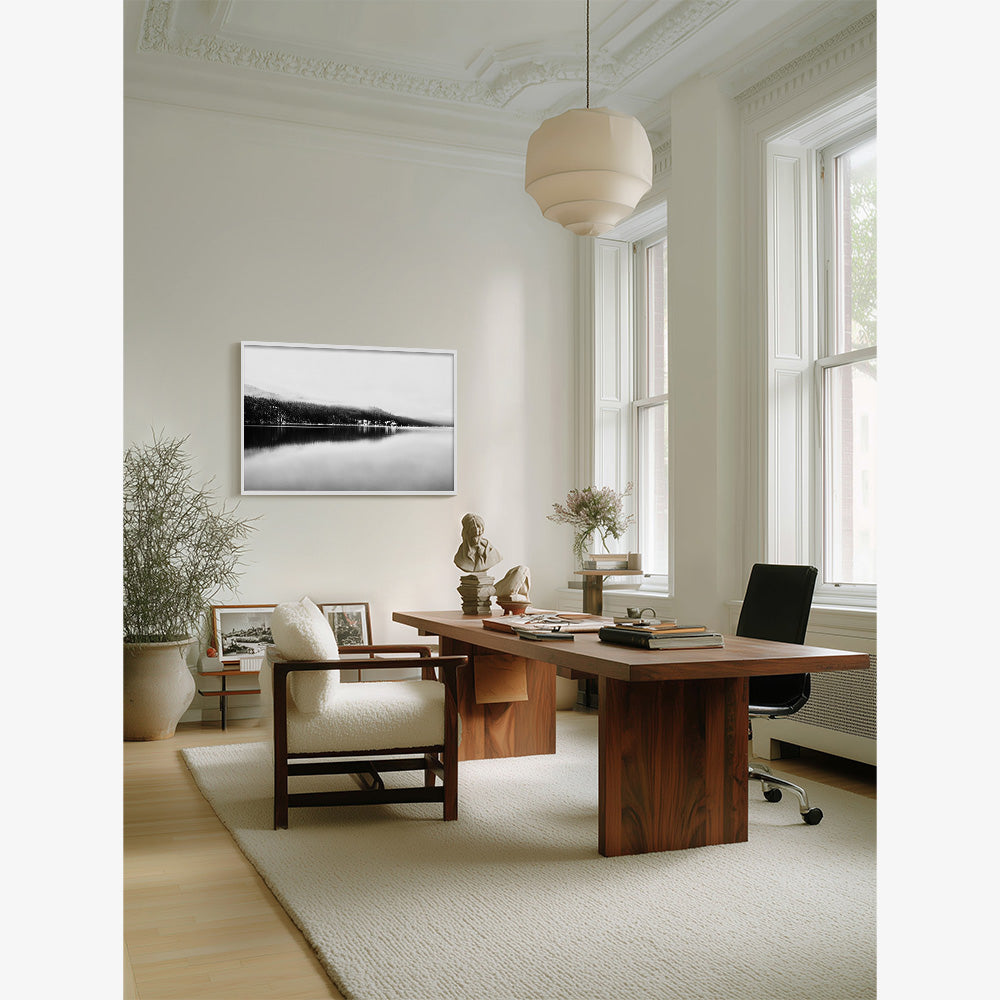
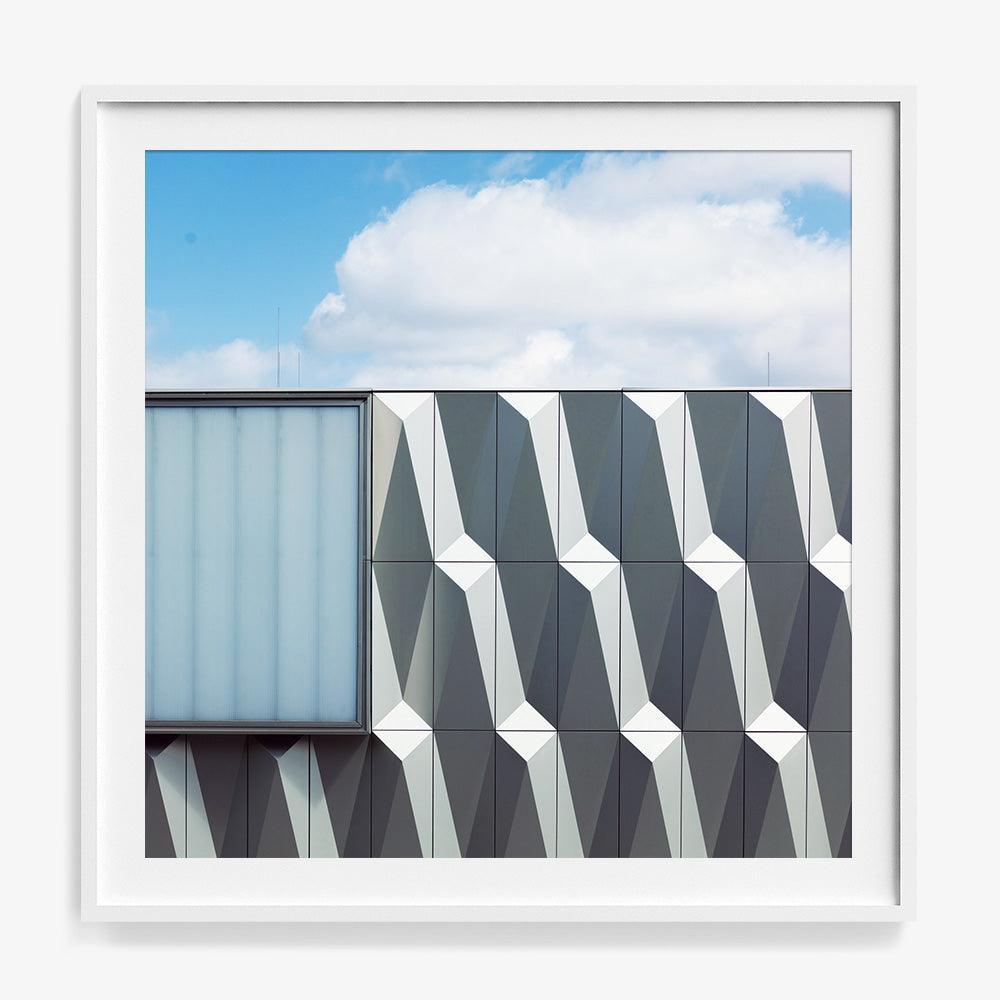
Each Tappan frame is custom built out of solid wood, using archival materials. Our framers have years of experience framing and preserving artworks for museums and other cultural institutions.
Learn more about our framing types of frames and matting.
Not sure what looks good? Want a different style of framing?
WebChat or text us at: 310-388-3425
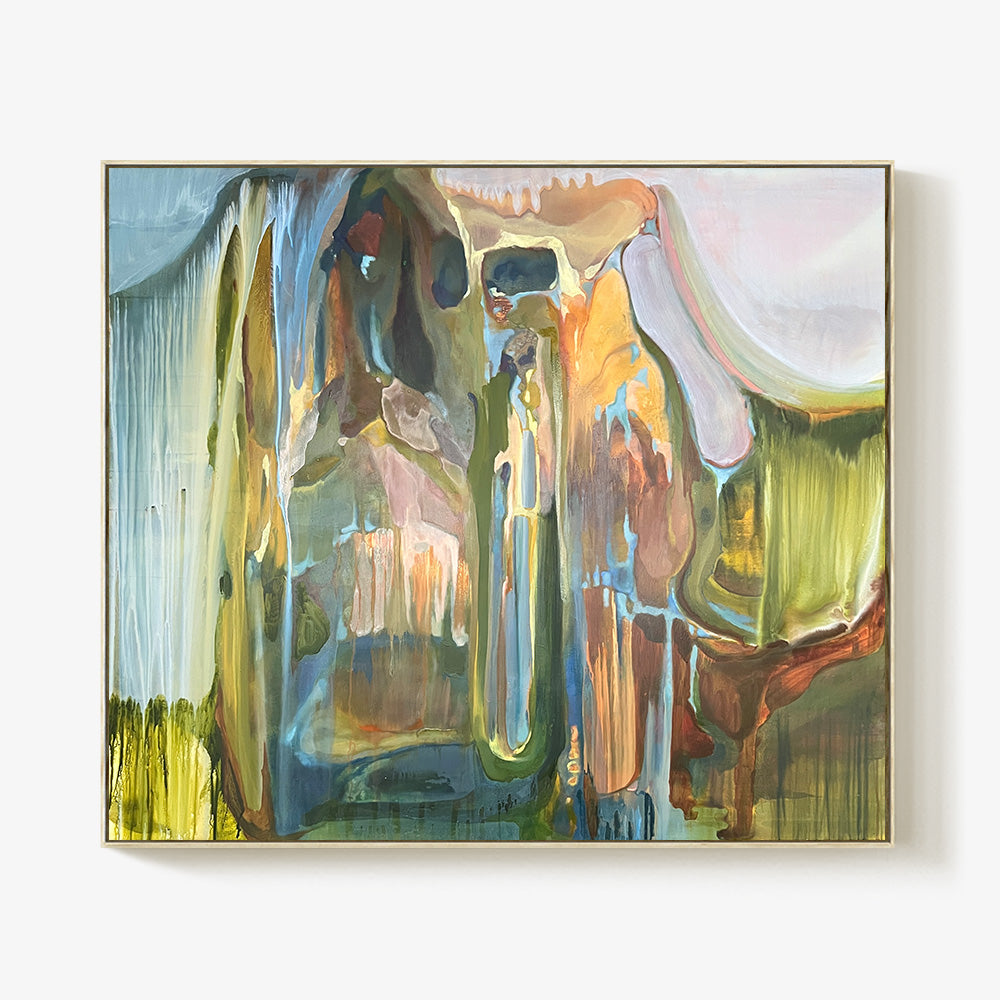
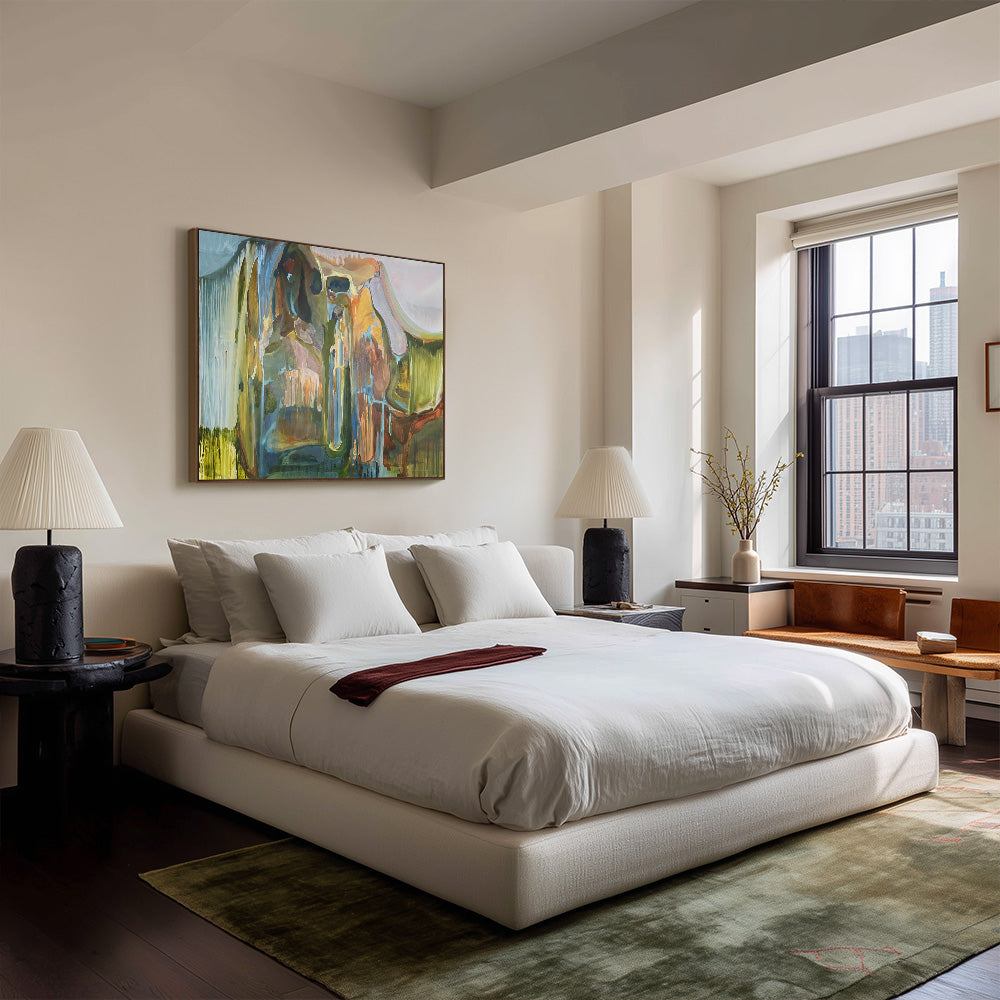
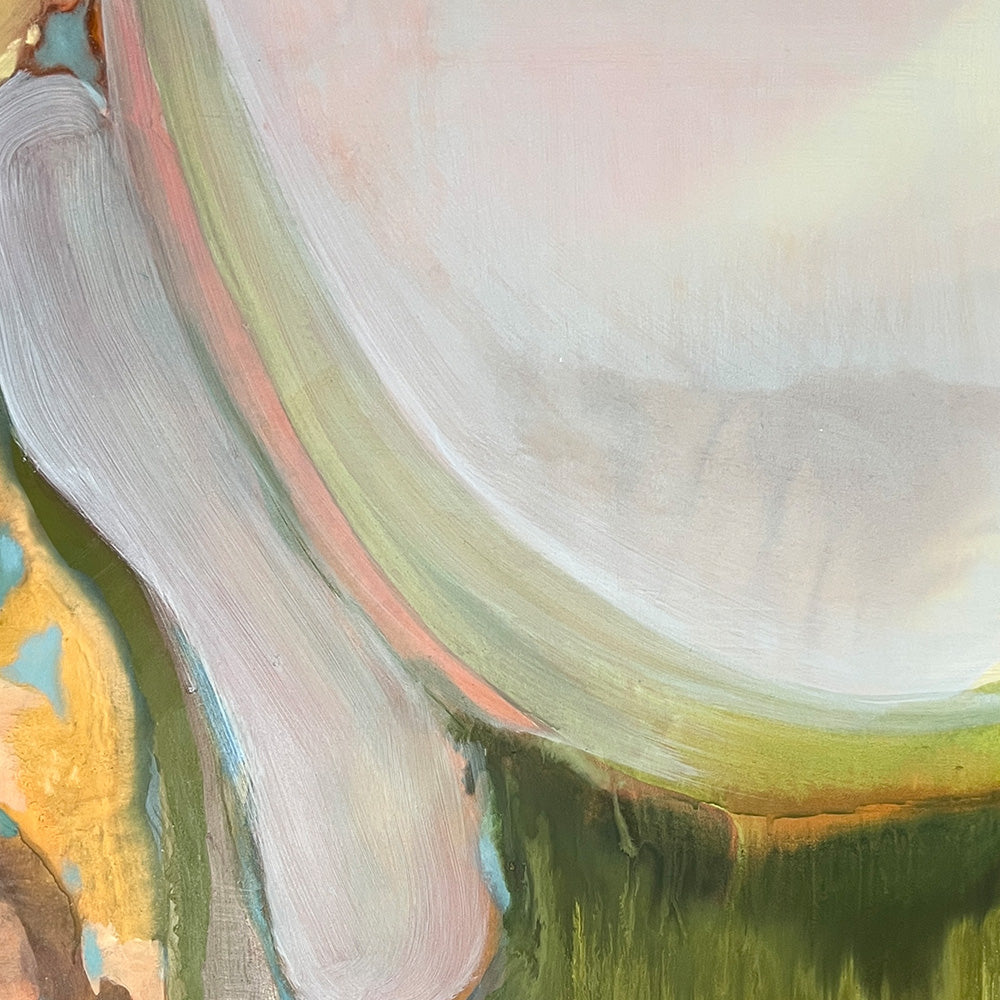

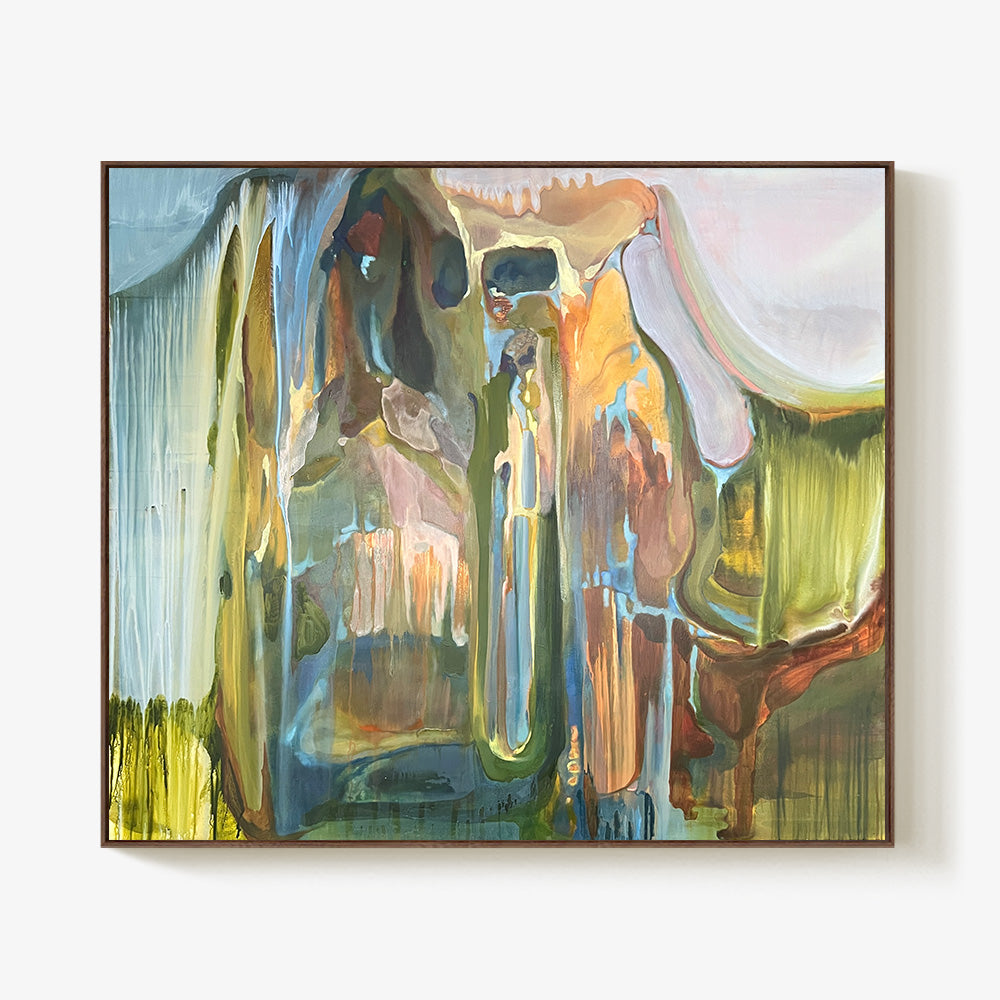
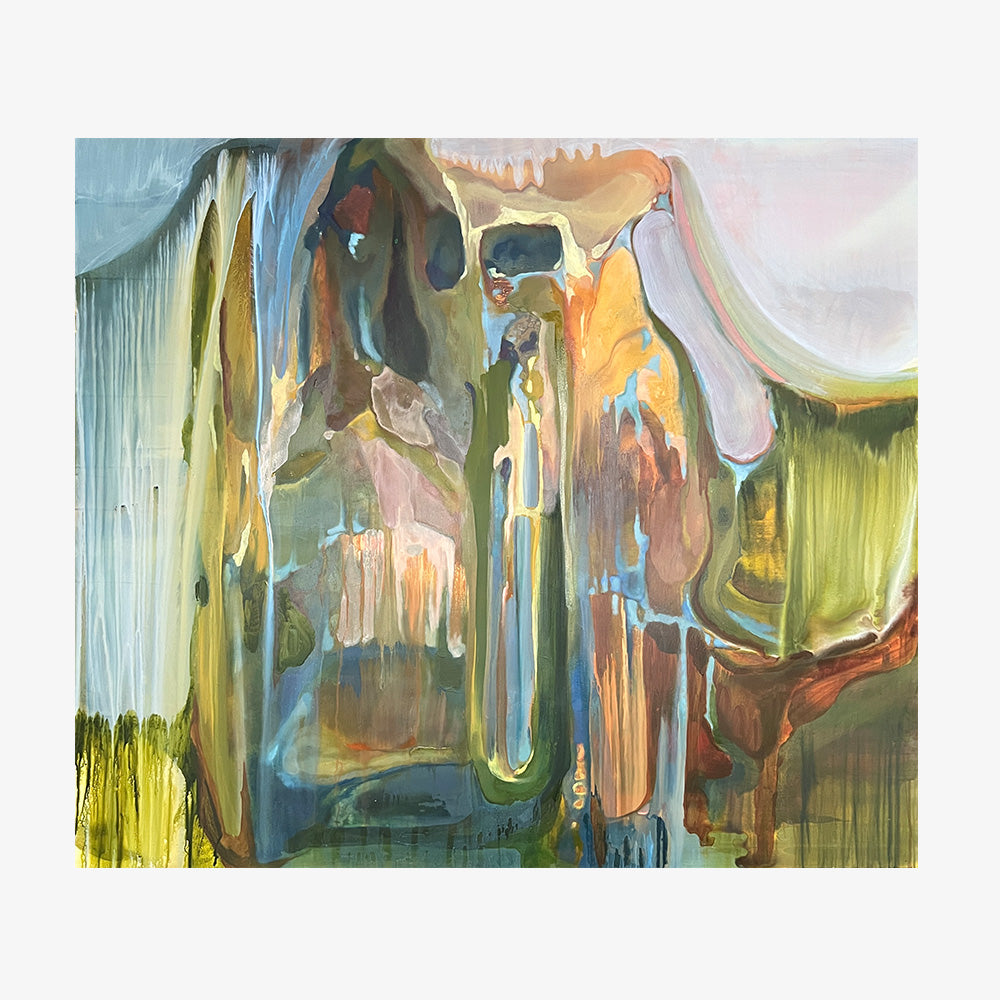
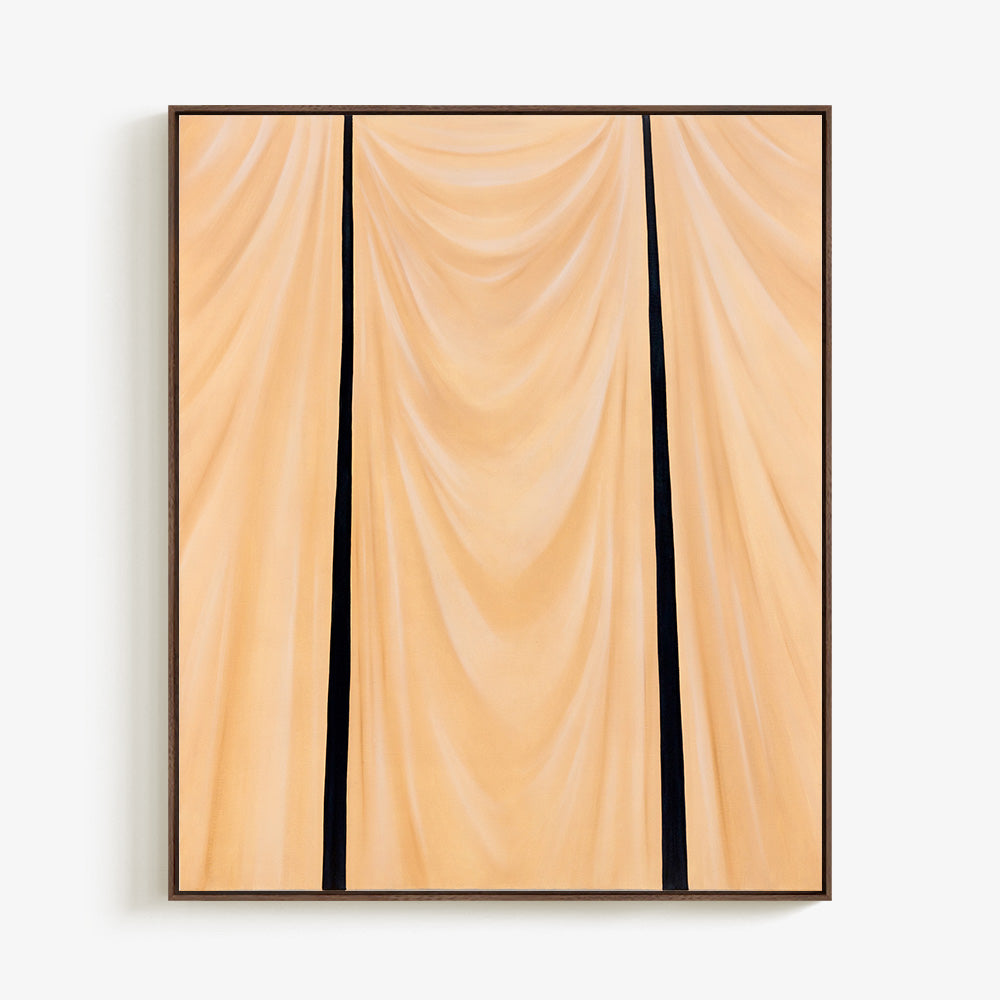
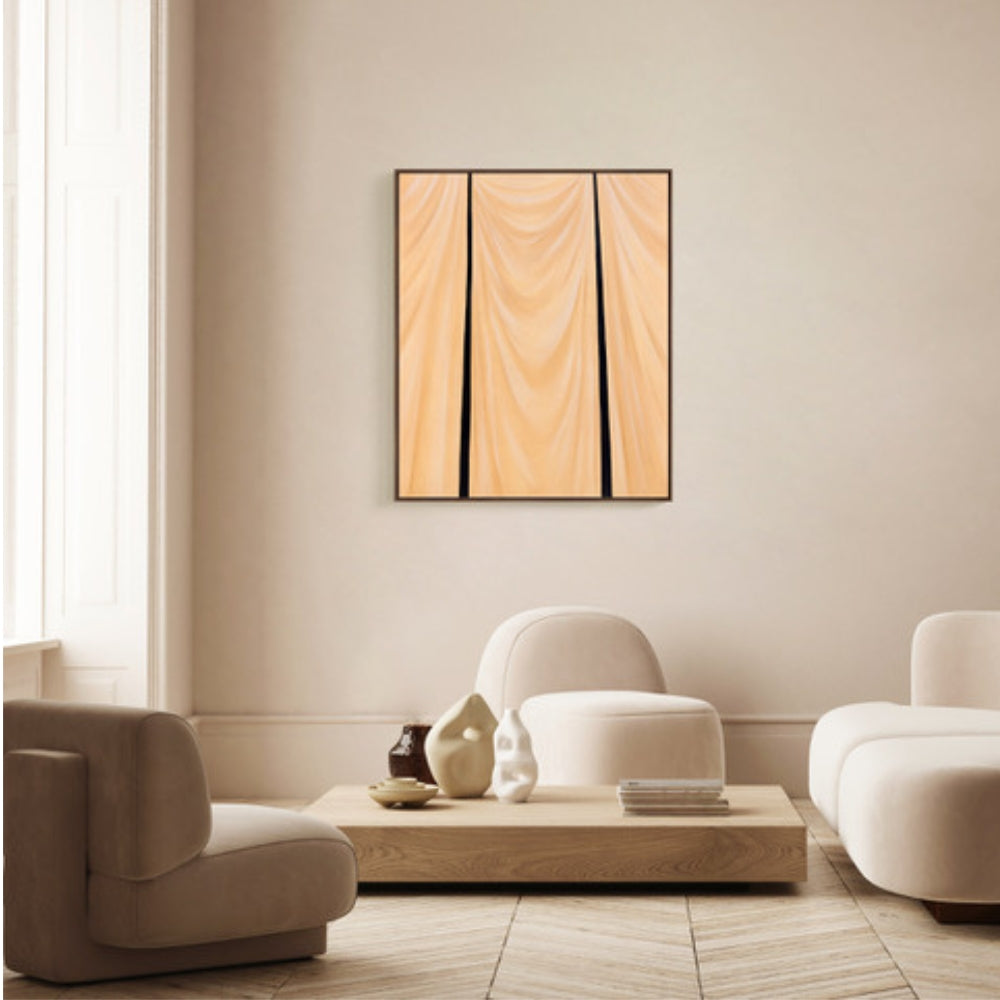
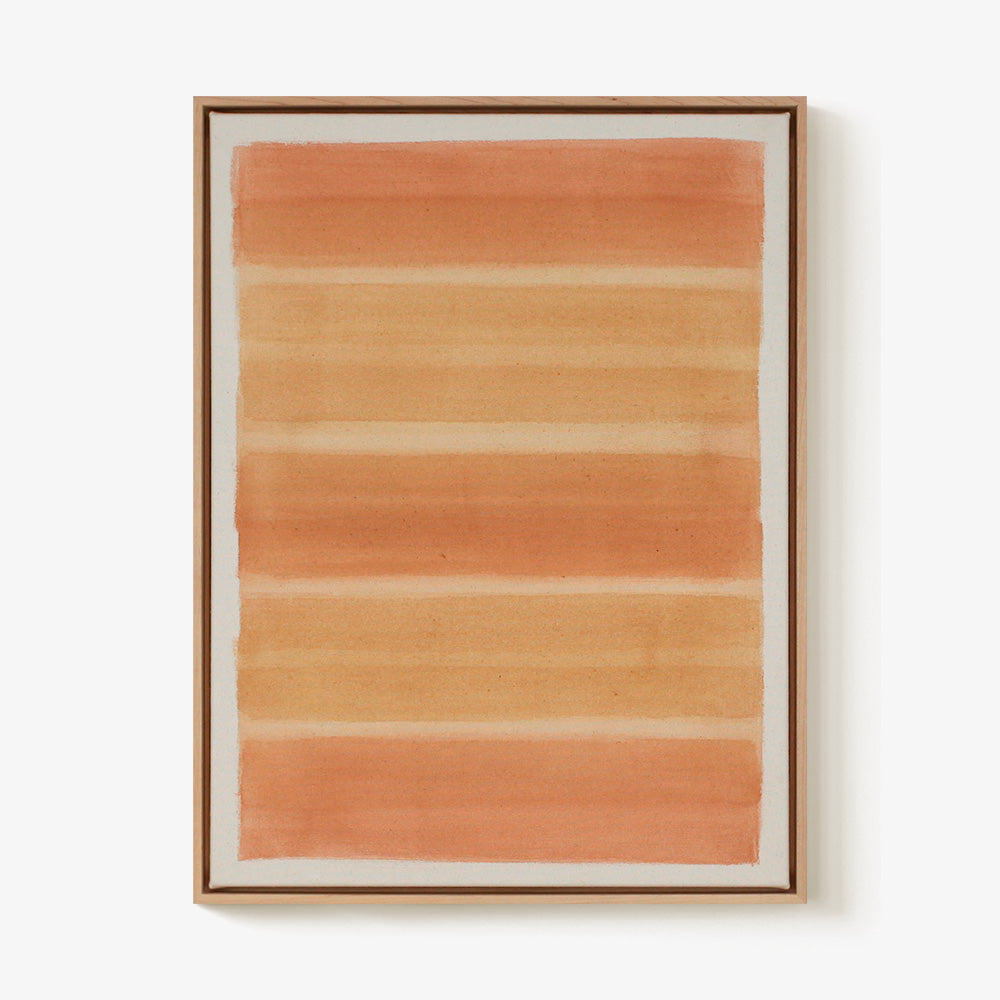
Two Things Can Be True #5
Oil and acrylic on cotton canvas
In her new body of work, Two Things Can Be True, Astri Styrkestad Haukaas approaches painting as an embodied experience rather than a depiction of place. Her landscapes emerge from memory, sensation, and emotional residue, holding grief and beauty in equal measure. Influenced by artists such as Edvard Munch, Arthur Dove, and Miriam Cahn, Haukaas explores landscape not as scenery but as a condition — something felt physically and carried within the body long after a place or moment has passed. The work is grounded in the belief that loss and joy coexist, and that nature offers solace not through sentimentality, but through its quiet persistence.
Working intuitively and physically, Haukaas creates paintings that function as emotional terrains rather than literal environments. Layers of color and gesture hold traces of time, memory, and transformation, inviting viewers into spaces that feel both deeply personal and universally familiar. These paintings do not attempt to resolve grief or move beyond it; instead, they inhabit the complex terrain where absence, beauty, and continuity exist simultaneously — where, as the title suggests, two things can be true at once.
In the artists words:
What remains of someone is not an image. It is a sensation — weight, warmth, the particular blue of things seen from far away.
These paintings begin in the body. Not grief as subject, but grief as ground — the layer beneath every color, every gesture, every mark that has been put down and partially let go. Grief held hands with joy. It always has. The surfaces hold time the way stones hold warmth: invisibly, until you press them to your skin.
What appears is not a landscape you can visit. It is a landscape that visits you. Two things can be true. The loss is real. So is the beauty of standing somewhere that matters, without being able to say why.


About our custom frames
This service is currently unavailable,
sorry for the inconvenience.
Pair it with a frame
Frame options are for visualization purposes only.
FRAME STYLE
MATTING SIZE
BUILDING YOUR EXPERIENCE
powered by Blankwall
Take a few steps back and let your camera see more of the scene.
powered by Blankwall
Was this experience helpful?
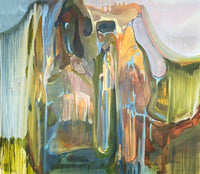
In her new body of work, Two Things Can Be True, Astri Styrkestad Haukaas approaches painting as an embodied experience rather than a depiction of place. Her landscapes emerge from memory, sensation, and emotional residue, holding grief and beauty in equal measure. Influenced by artists such as Edvard Munch, Arthur Dove, and Miriam Cahn, Haukaas explores landscape not as scenery but as a condition — something felt physically and carried within the body long after a place or moment has passed. The work is grounded in the belief that loss and joy coexist, and that nature offers solace not through sentimentality, but through its quiet persistence.
Working intuitively and physically, Haukaas creates paintings that function as emotional terrains rather than literal environments. Layers of color and gesture hold traces of time, memory, and transformation, inviting viewers into spaces that feel both deeply personal and universally familiar. These paintings do not attempt to resolve grief or move beyond it; instead, they inhabit the complex terrain where absence, beauty, and continuity exist simultaneously — where, as the title suggests, two things can be true at once.
In the artists words:
What remains of someone is not an image. It is a sensation — weight, warmth, the particular blue of things seen from far away.
These paintings begin in the body. Not grief as subject, but grief as ground — the layer beneath every color, every gesture, every mark that has been put down and partially let go. Grief held hands with joy. It always has. The surfaces hold time the way stones hold warmth: invisibly, until you press them to your skin.
What appears is not a landscape you can visit. It is a landscape that visits you. Two things can be true. The loss is real. So is the beauty of standing somewhere that matters, without being able to say why.
Artwork Information
Year
2026
Materials
Oil and acrylic on cotton canvas
Authentication
Signed by Artist
The work comes with a Certification of Authenticity signed by the Co-Founder of Tappan.
Dimensions
ARTWORK DIMENSIONS
51 x 58 3/4 inches
FRAMED DIMENSIONS
51 x 58 3/4 inches
Reveal: 52.75 x 60.5 x 2 inches
Unframed: 51 x 58 3/4 inches
This artwork is custom-framed in hand-built solid wood framing with archival materials. Custom framed artworks will ship in 1 - 3 weeks.
Custom Orders
We offer a wide variety of custom framing options, please reach out for more information.
Shipping times vary per artwork, text, email, or chat with us to expedite shipping.
text: 310-388-3425
email: info@thetappancollective.com
Art Advising Services
Complimentary art advising services available on request. More info here
“My subject matter is nature influenced by subjective memories. I love thinking about how humans make deep, personal relations with nature - places, mountains, lakes, on earth and in space.”
About the Artist
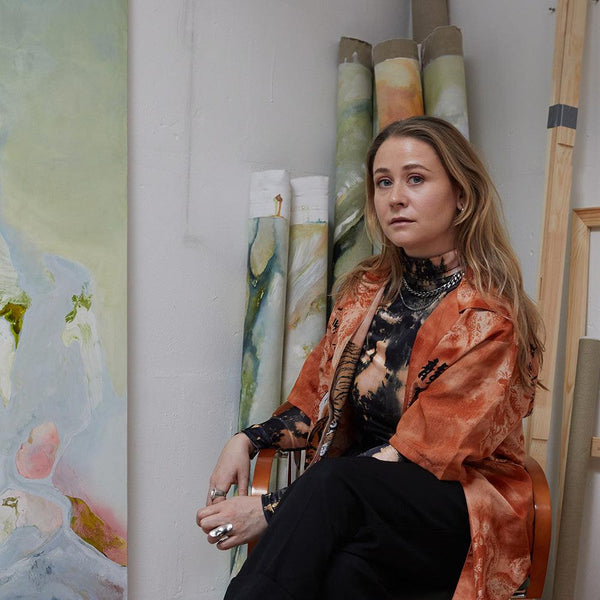
Astri Styrkestad Haukaas
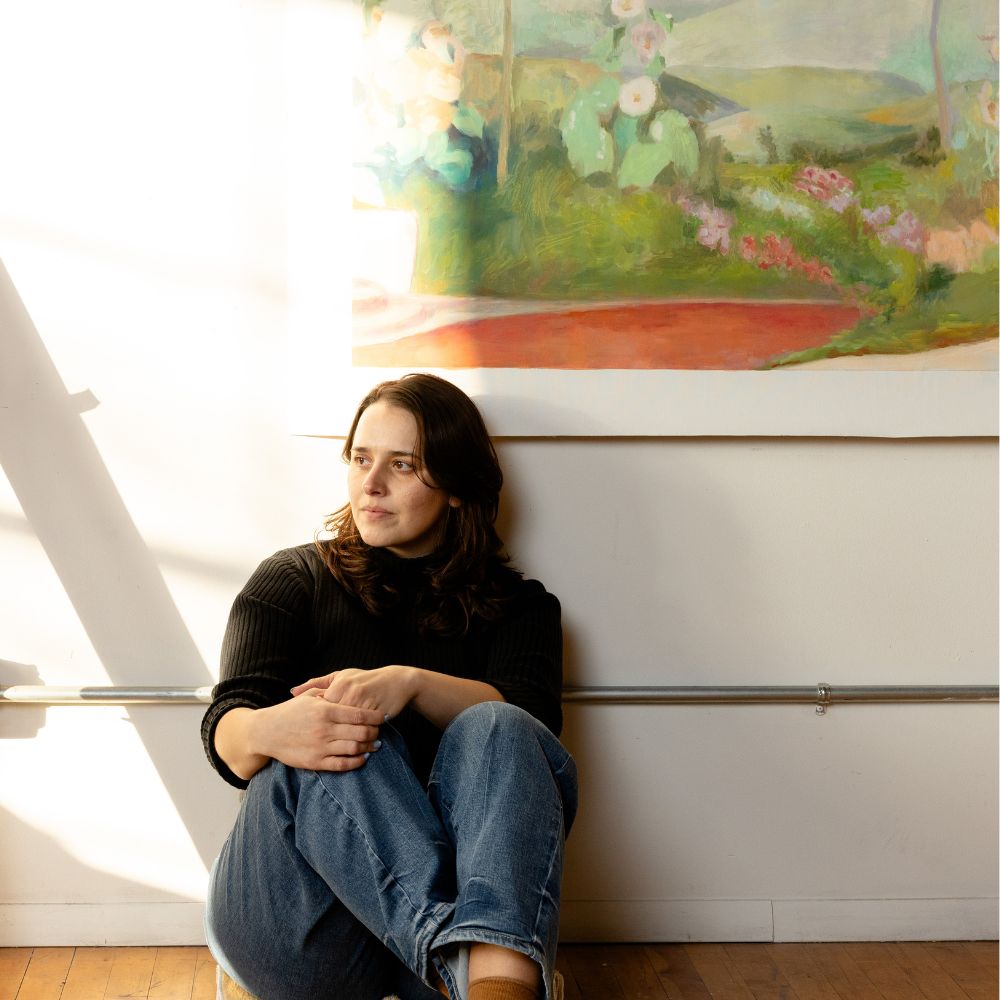
Abstract painter and founder of Danish artspace KVIT, Astri Styrkestad Haukaas's expressive paintings draw their colors and tones from nature. For each series, Haukaas paints her subjective experience of the natural world -- often painting the same space multiple times as she remembers it through different, changing moments. Haukaas' work has been featured in Artforum.
Choose options
This service is currently unavailable,
sorry for the inconvenience.
Pair it with a frame
Frame options are for visualization purposes only.
FRAME STYLE
MATTING SIZE
BUILDING YOUR EXPERIENCE
powered by Blankwall
Take a few steps back and let your camera see more of the scene.
powered by Blankwall
Was this experience helpful?
In her new body of work, Two Things Can Be True, Astri Styrkestad Haukaas approaches painting as an embodied experience rather than a depiction of place. Her landscapes emerge from memory, sensation, and emotional residue, holding grief and beauty in equal measure. Influenced by artists such as Edvard Munch, Arthur Dove, and Miriam Cahn, Haukaas explores landscape not as scenery but as a condition — something felt physically and carried within the body long after a place or moment has passed. The work is grounded in the belief that loss and joy coexist, and that nature offers solace not through sentimentality, but through its quiet persistence.
Working intuitively and physically, Haukaas creates paintings that function as emotional terrains rather than literal environments. Layers of color and gesture hold traces of time, memory, and transformation, inviting viewers into spaces that feel both deeply personal and universally familiar. These paintings do not attempt to resolve grief or move beyond it; instead, they inhabit the complex terrain where absence, beauty, and continuity exist simultaneously — where, as the title suggests, two things can be true at once.
In the artists words:
What remains of someone is not an image. It is a sensation — weight, warmth, the particular blue of things seen from far away.
These paintings begin in the body. Not grief as subject, but grief as ground — the layer beneath every color, every gesture, every mark that has been put down and partially let go. Grief held hands with joy. It always has. The surfaces hold time the way stones hold warmth: invisibly, until you press them to your skin.
What appears is not a landscape you can visit. It is a landscape that visits you. Two things can be true. The loss is real. So is the beauty of standing somewhere that matters, without being able to say why.