
Hand-built Archival Framing
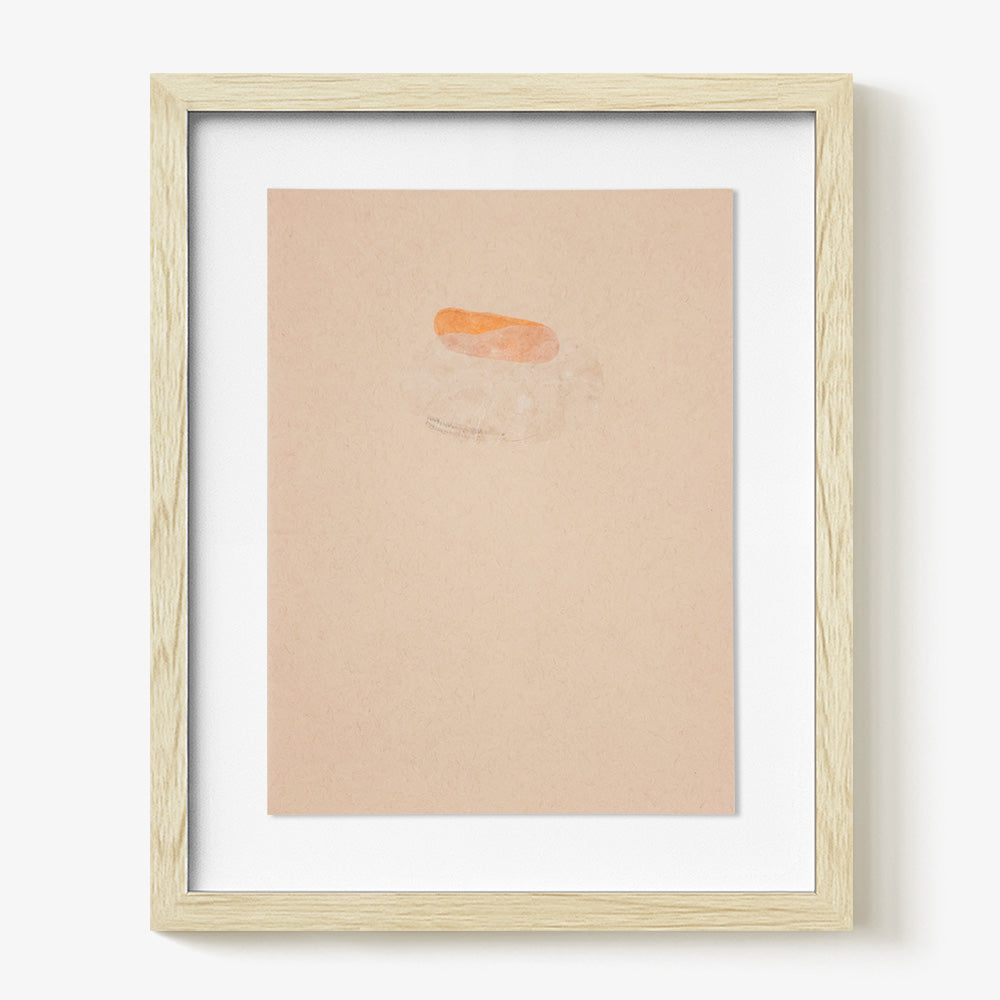
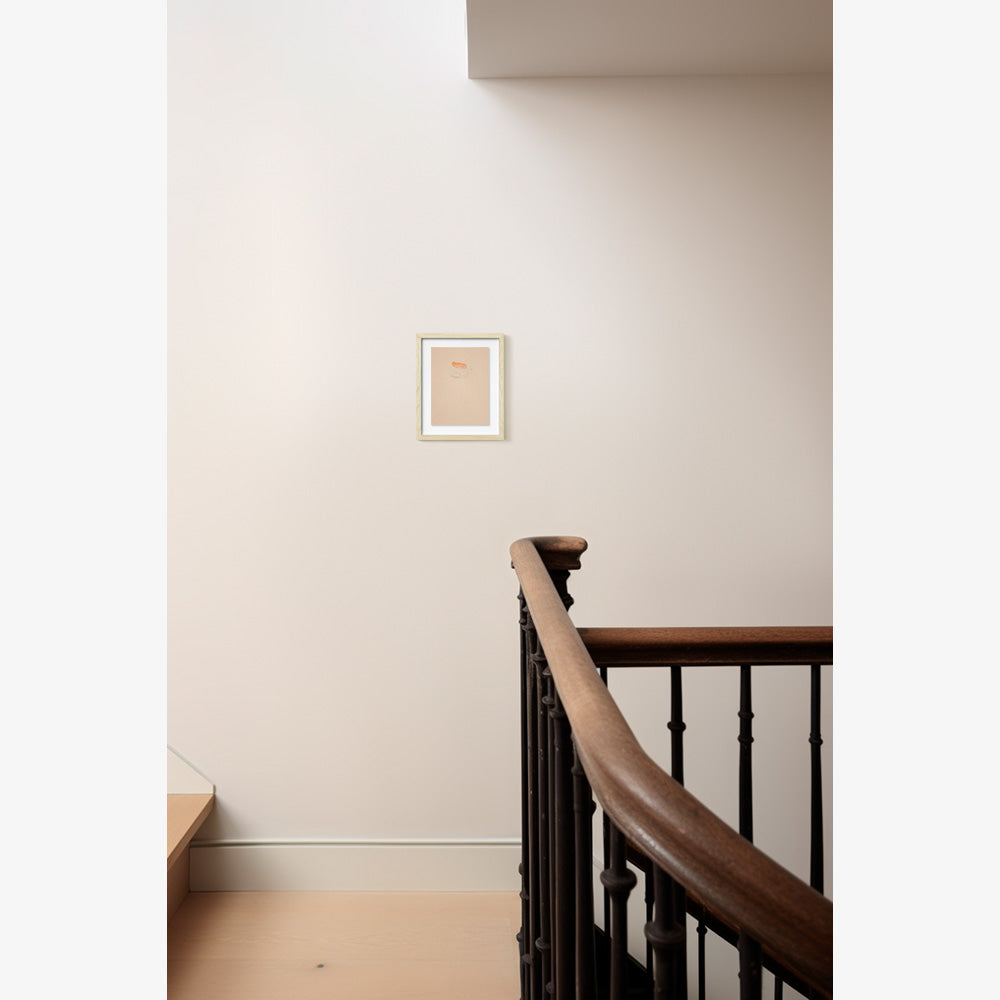
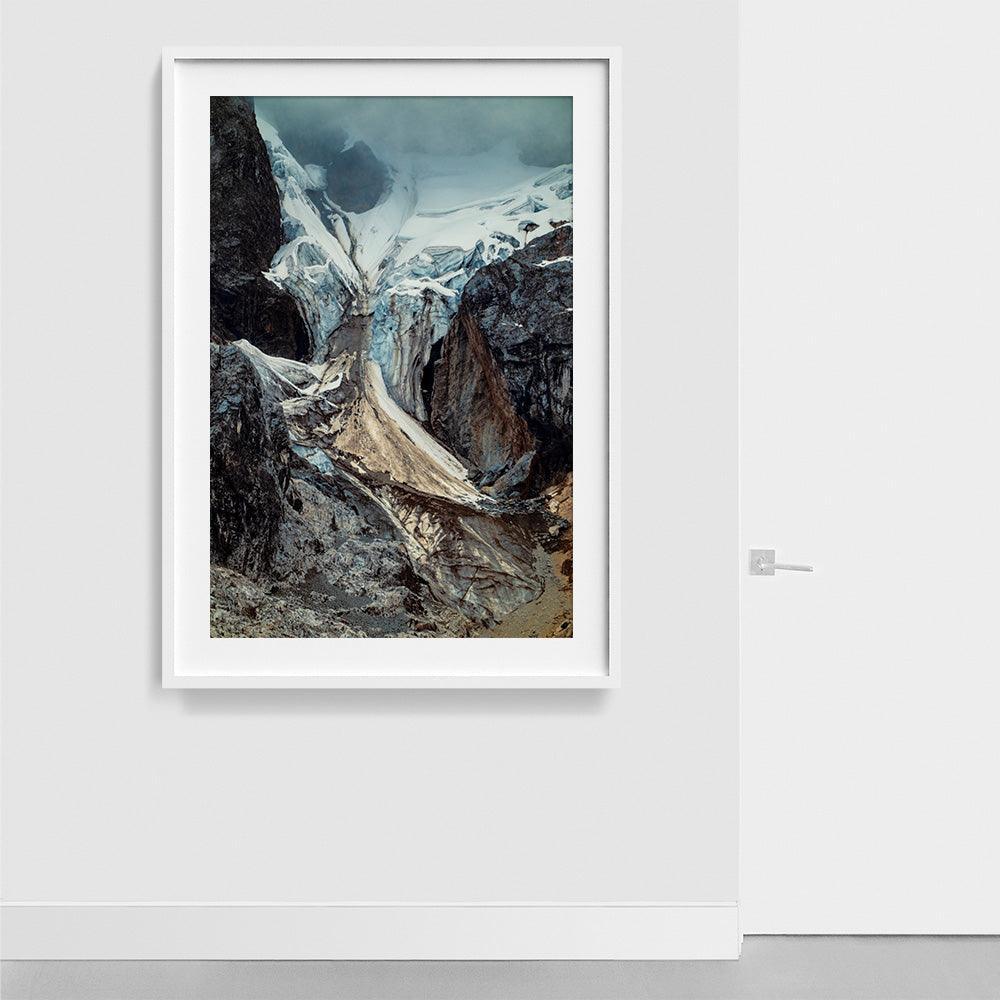
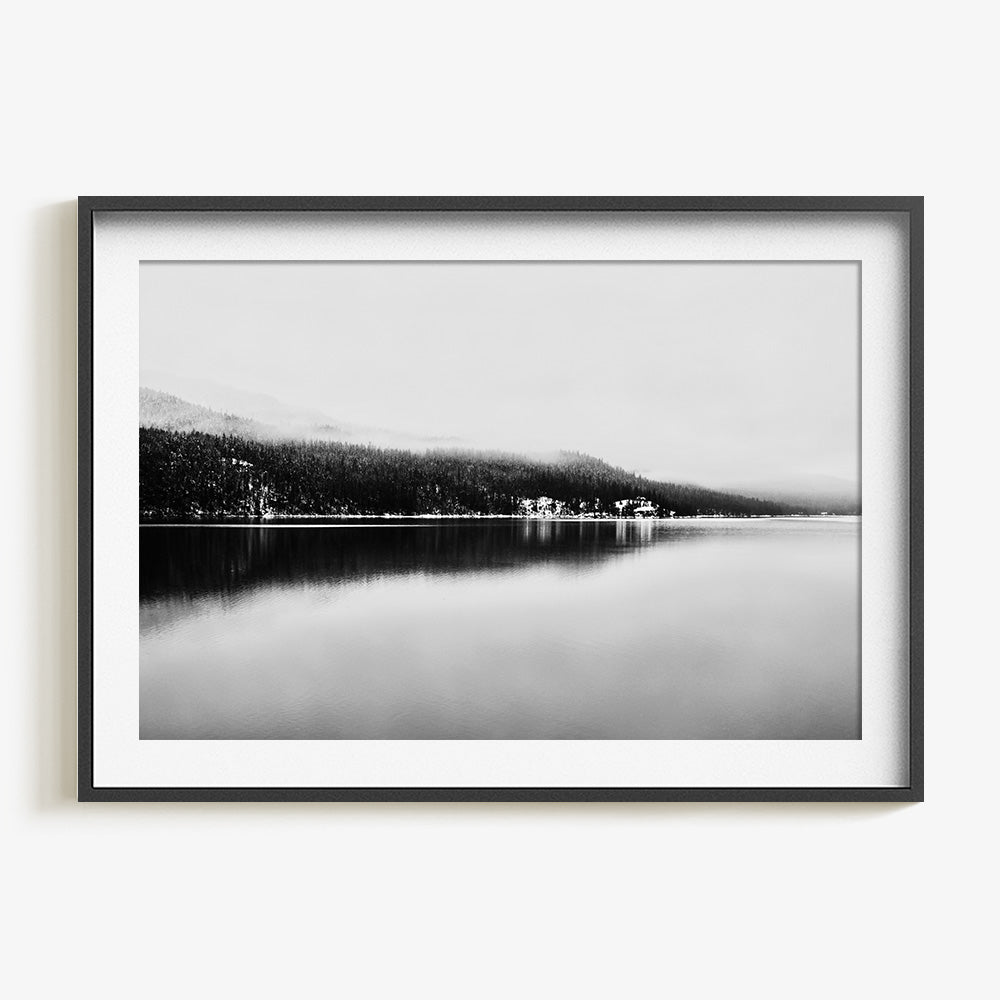
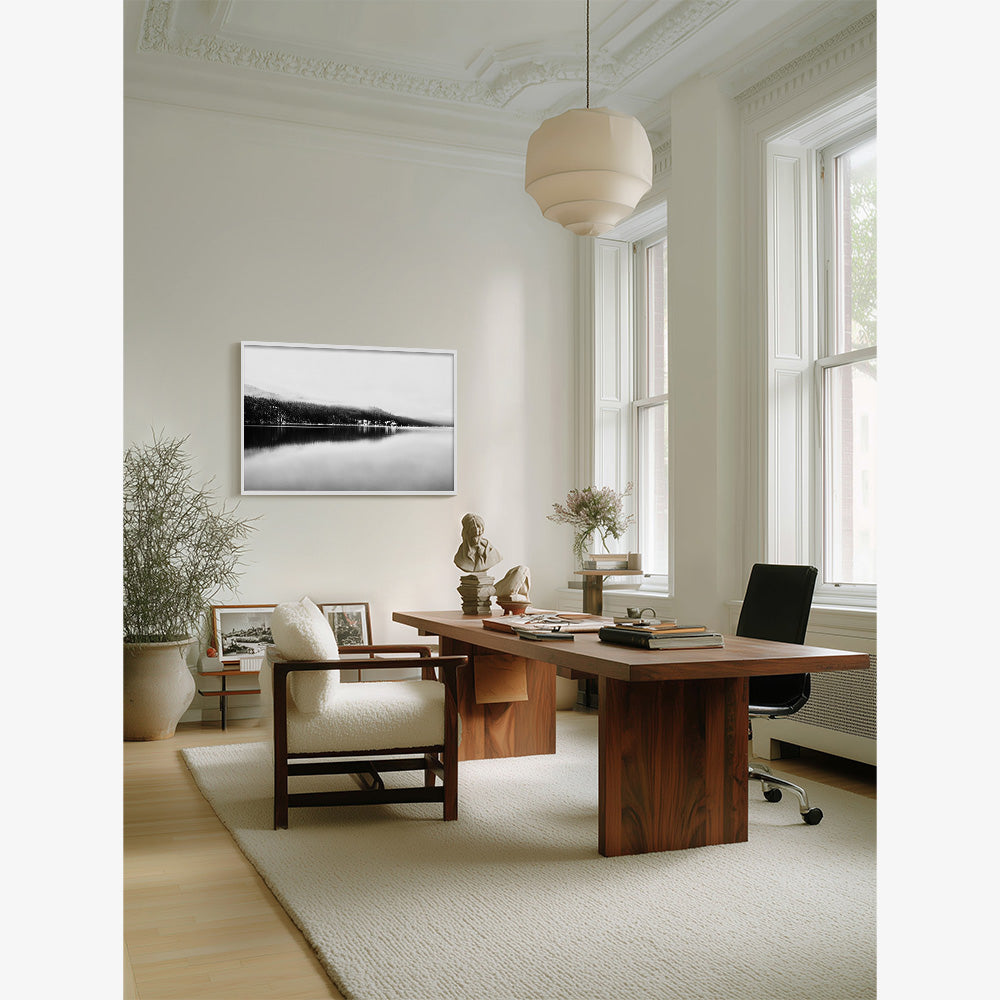
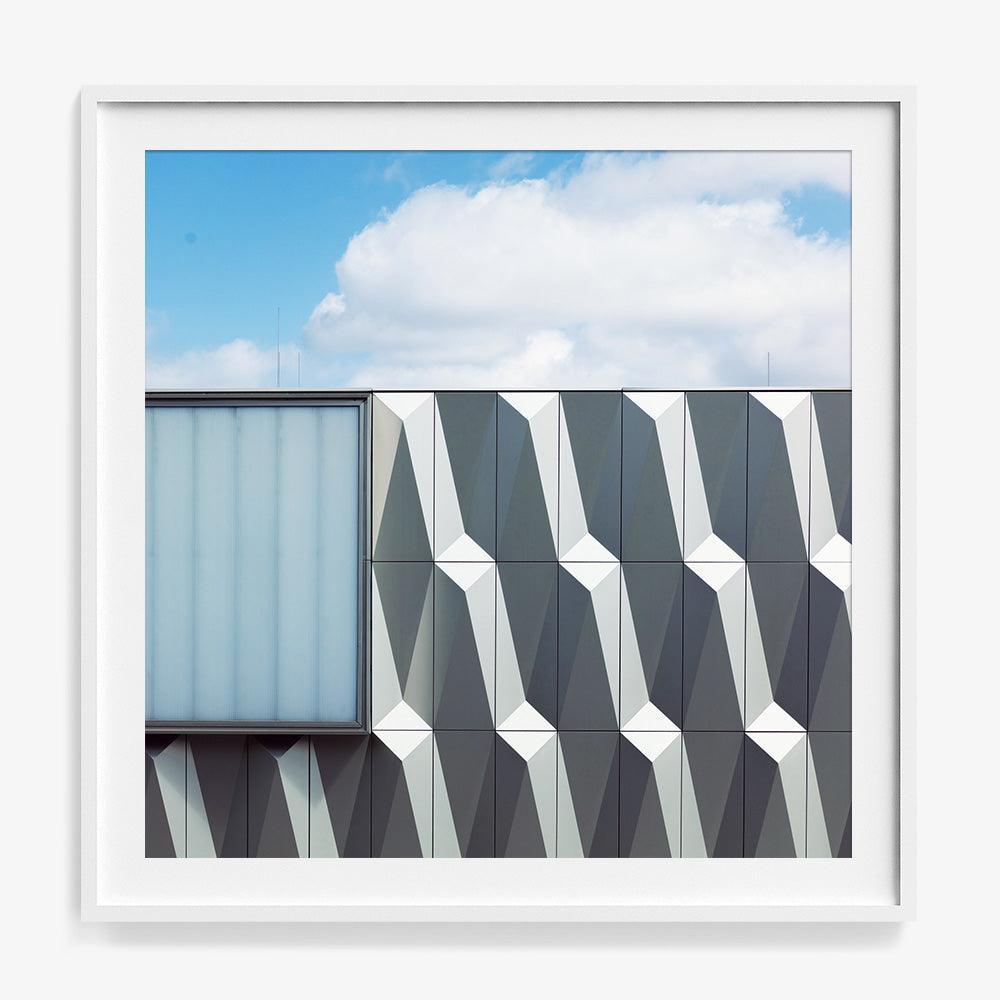
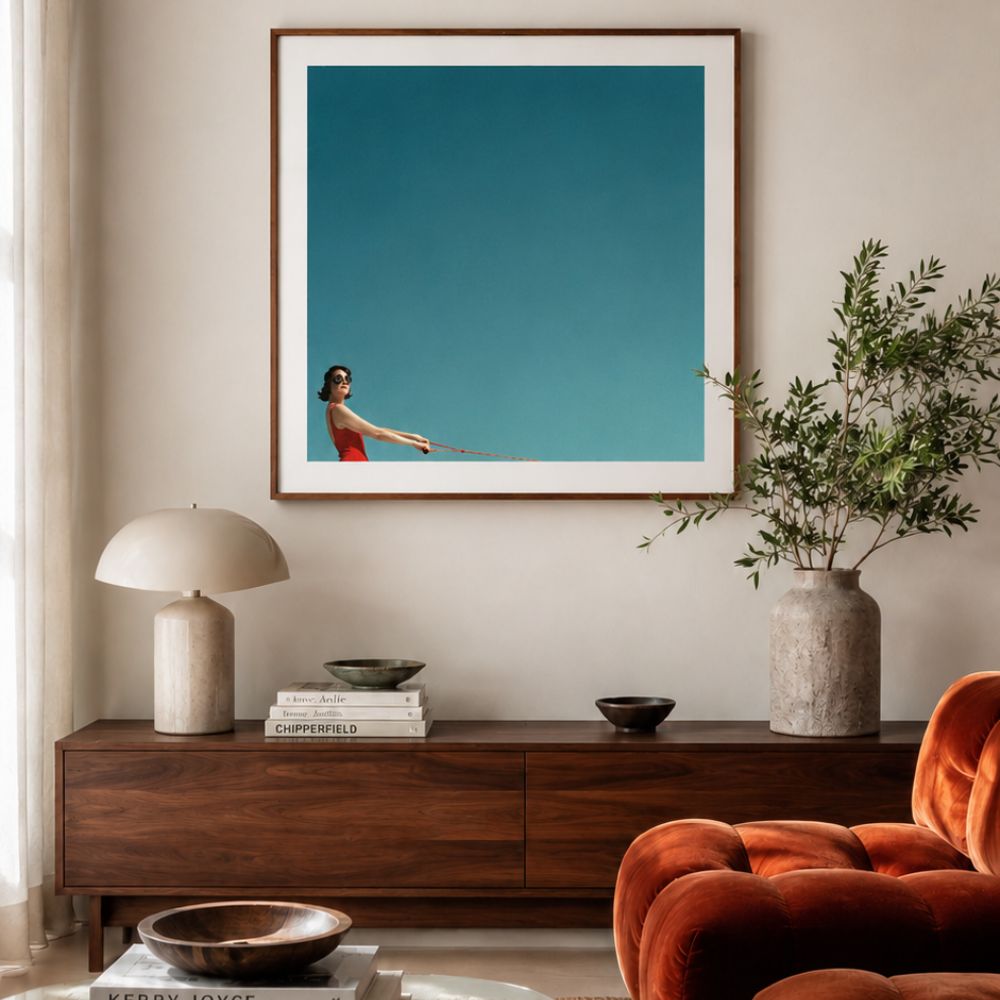
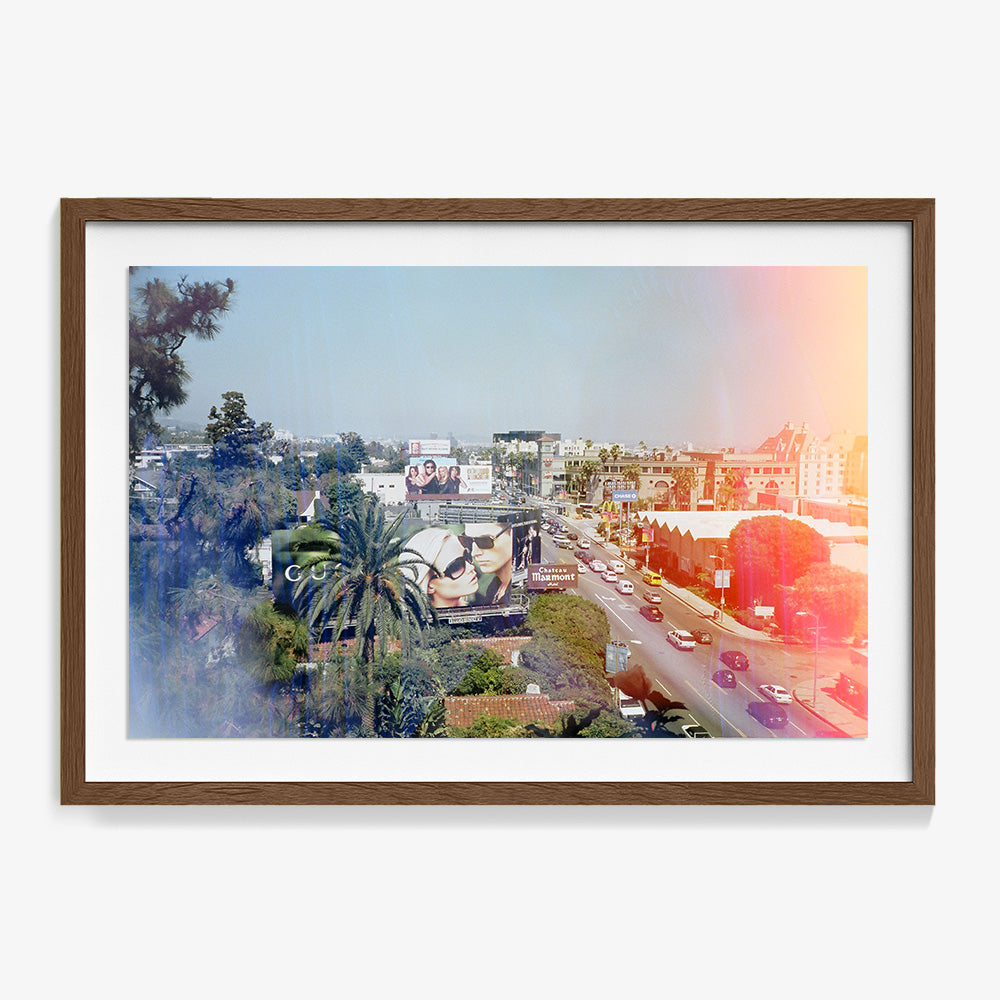
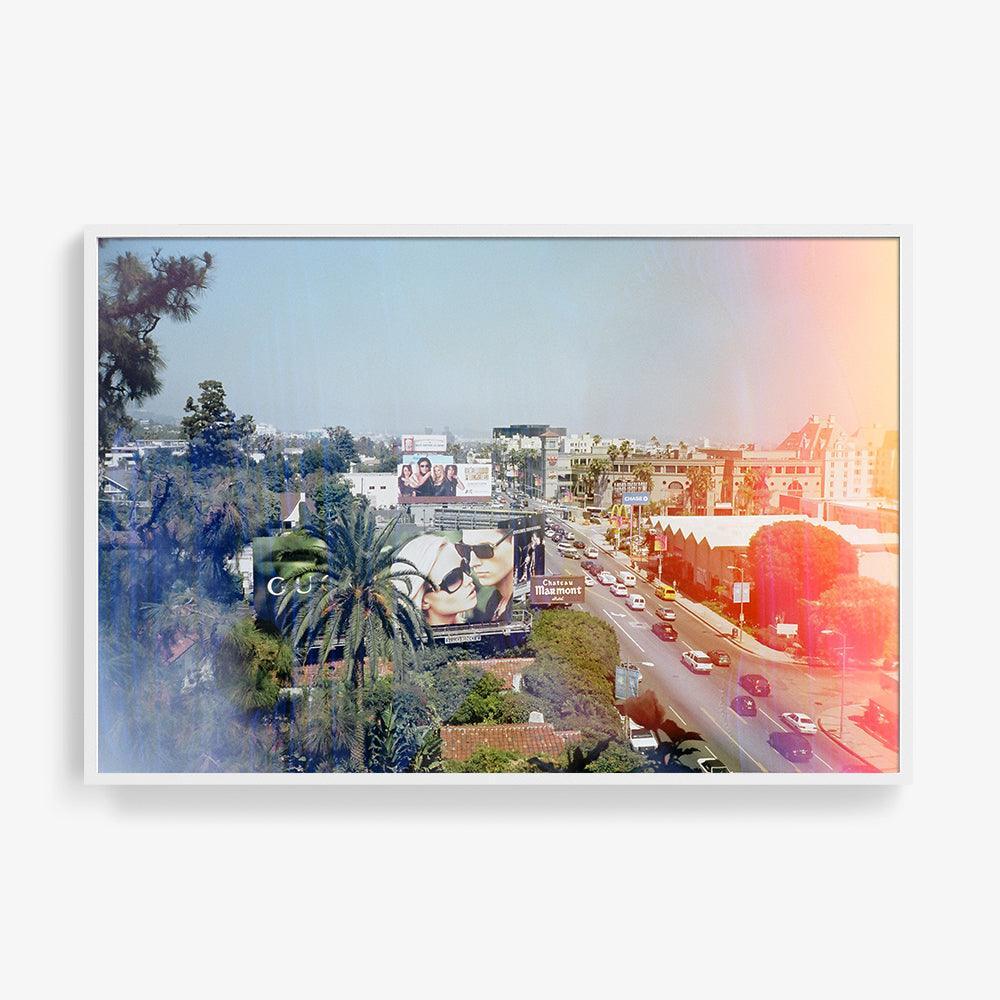
Each Tappan frame is custom built out of solid wood, using archival materials. Our framers have years of experience framing and preserving artworks for museums and other cultural institutions.
Learn more about our framing types of frames and matting.
Not sure what looks good? Want a different style of framing?
WebChat or text us at: 310-388-3425
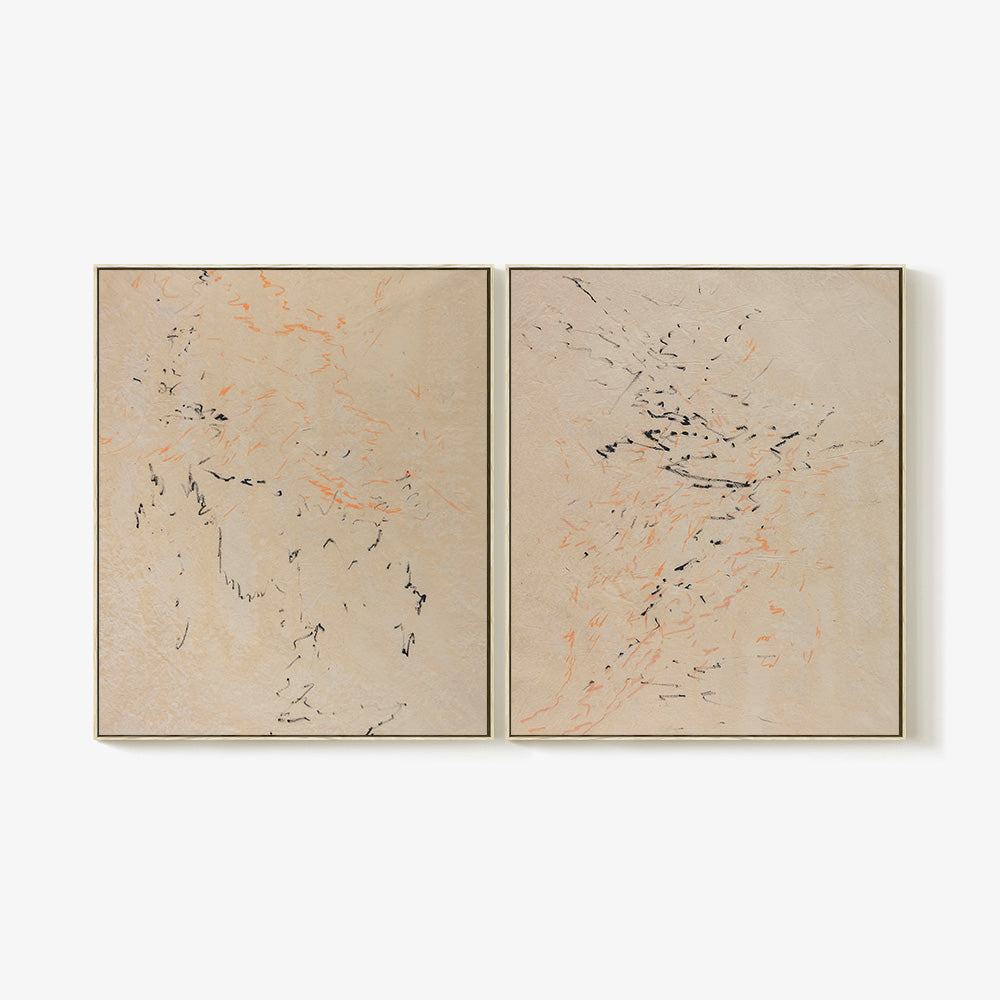

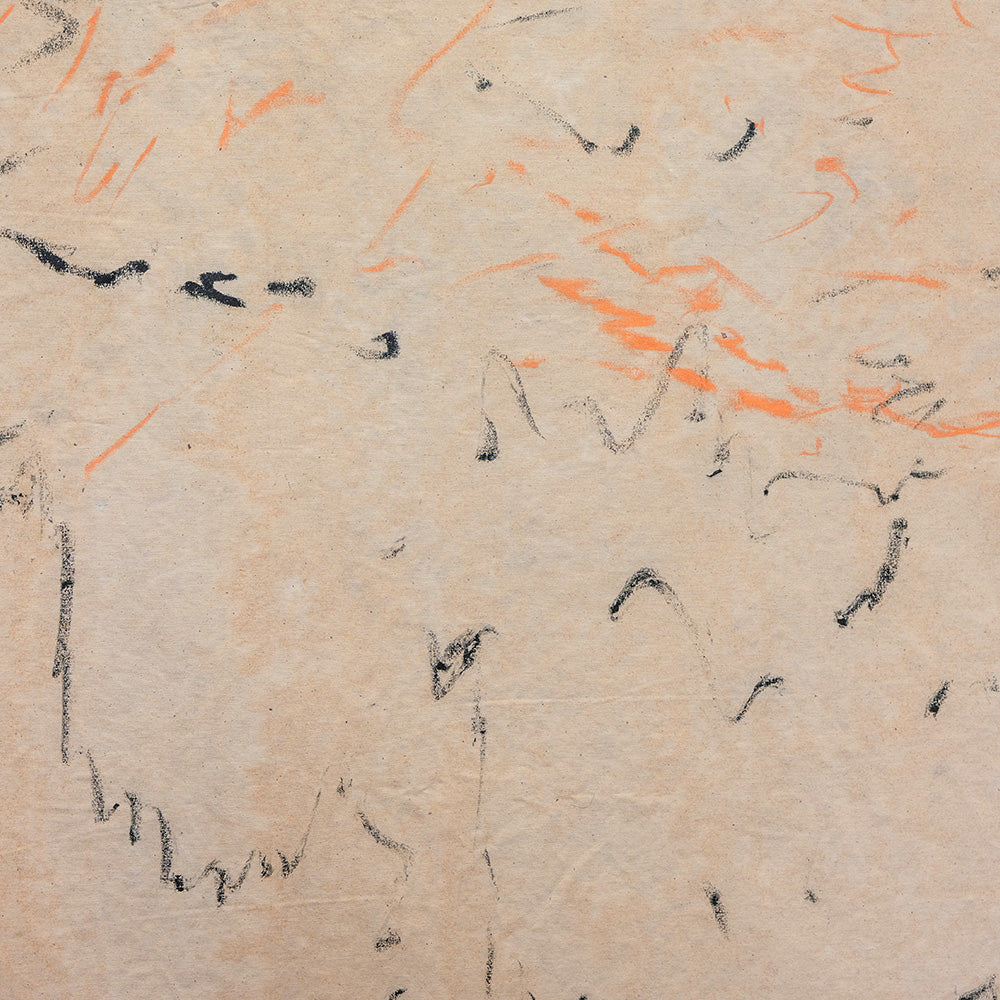
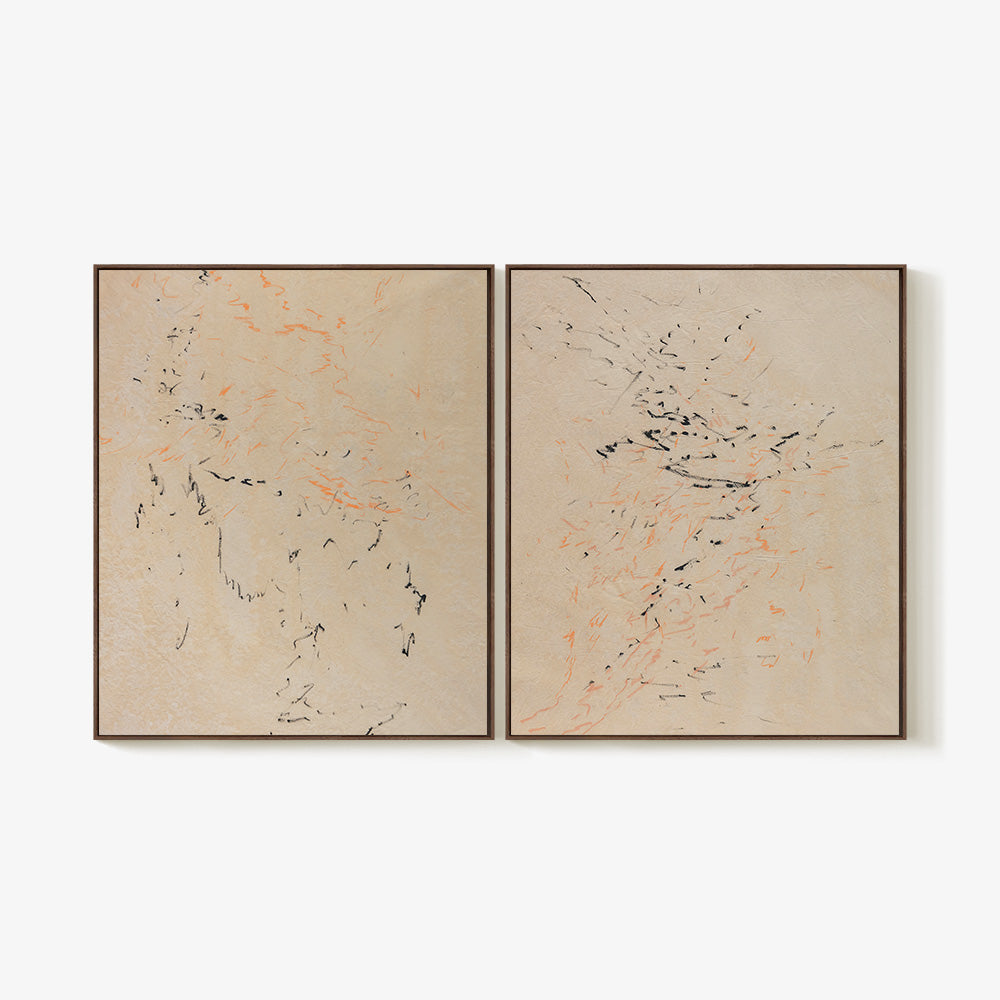
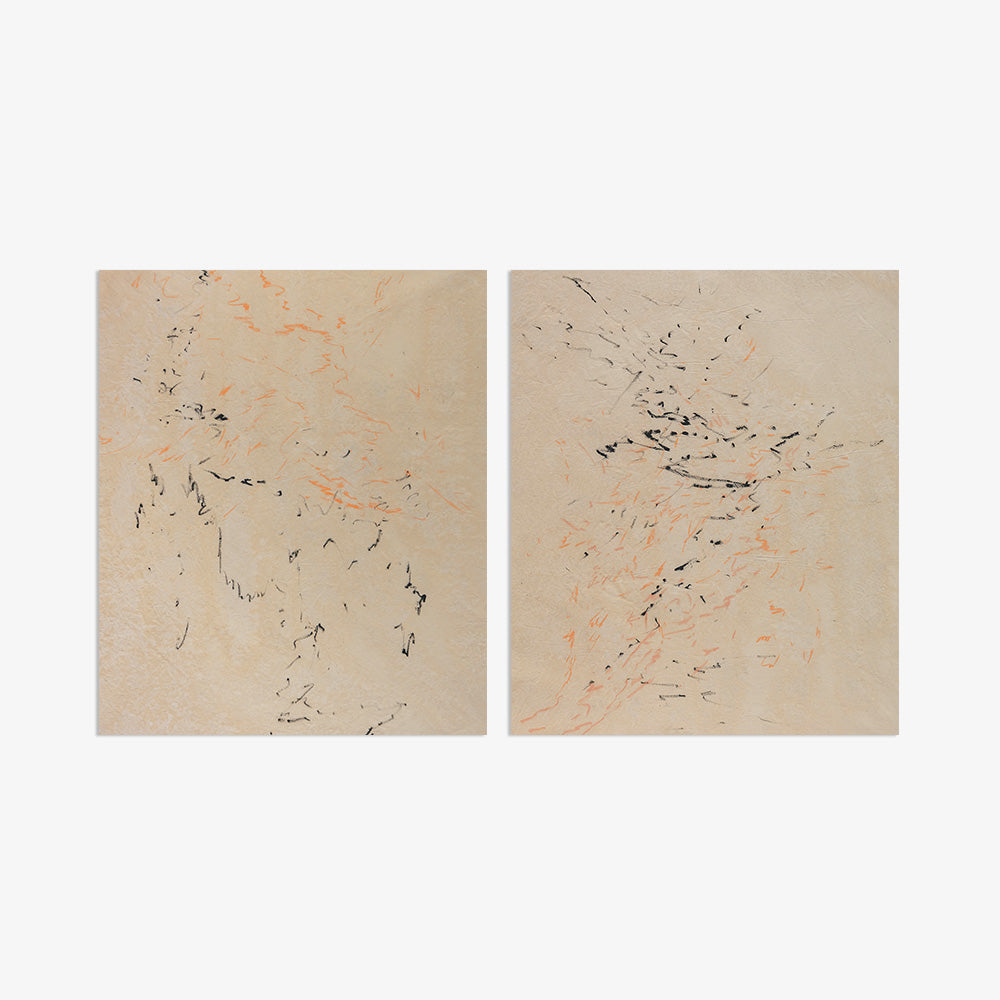
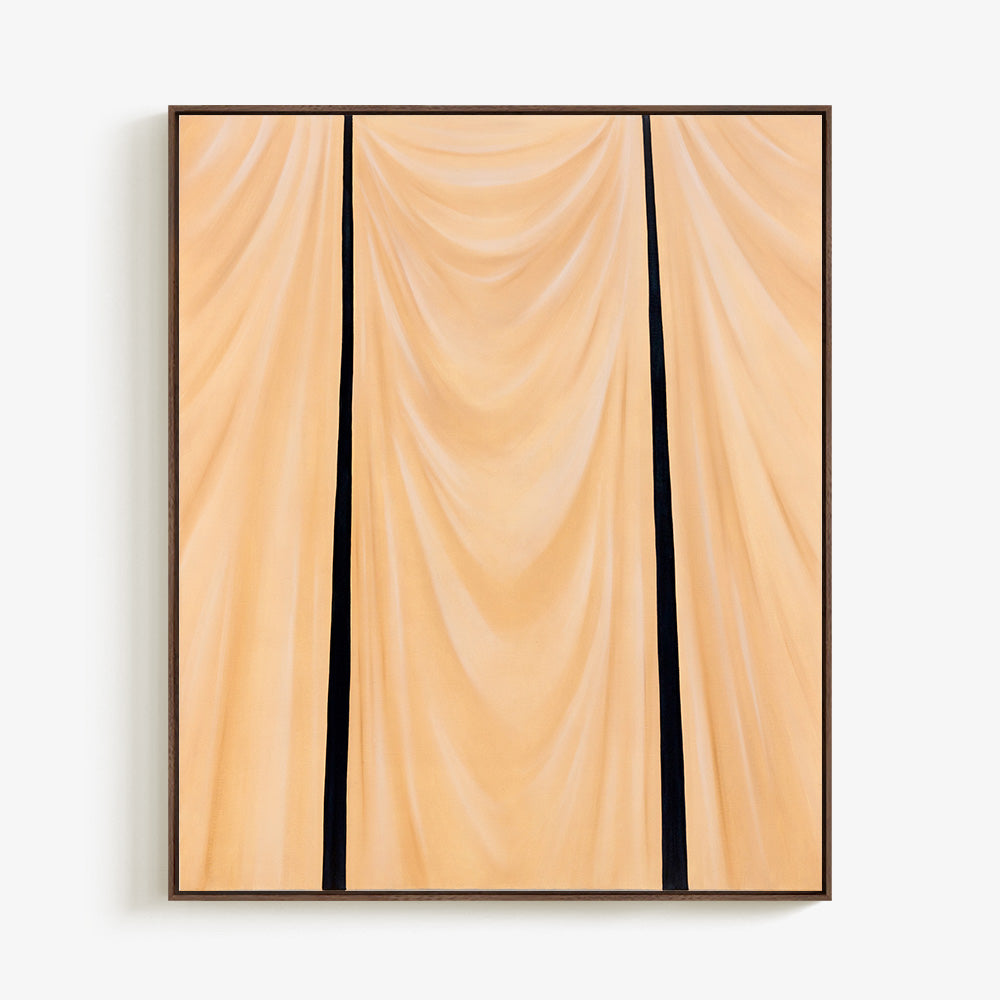
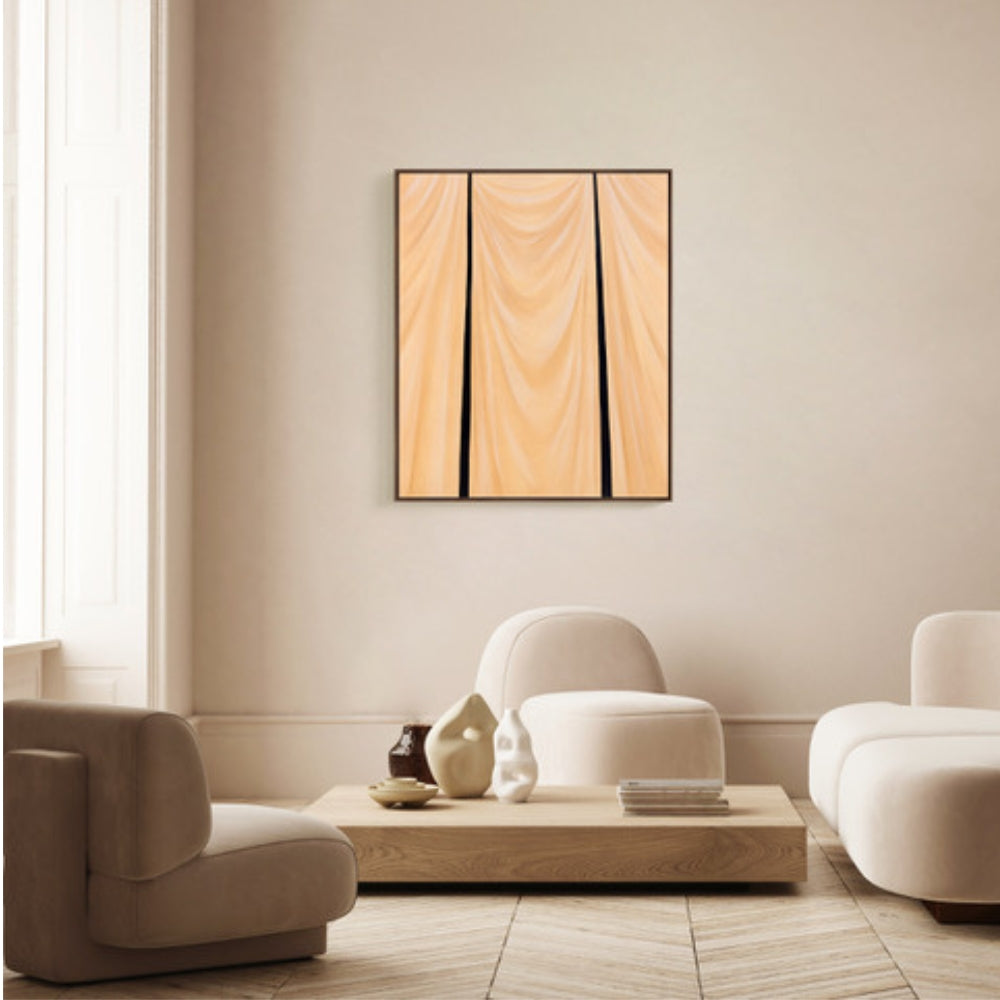
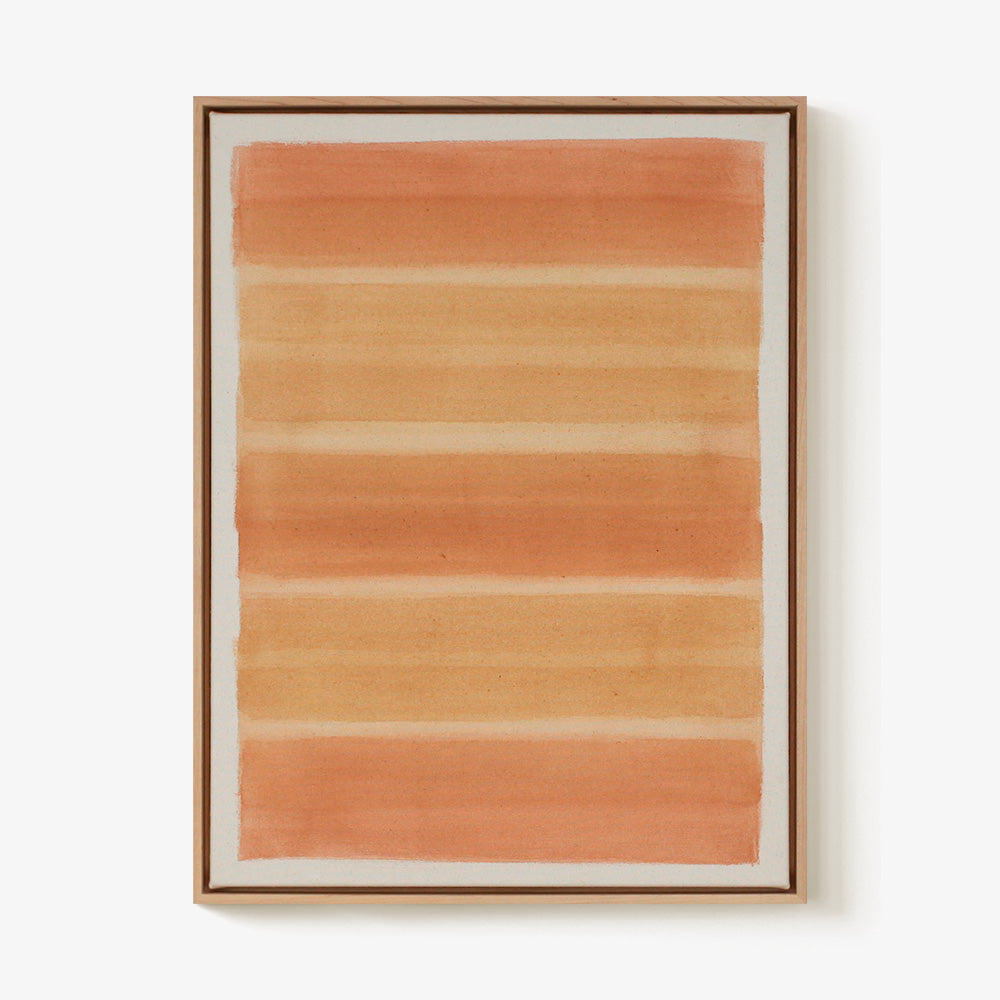
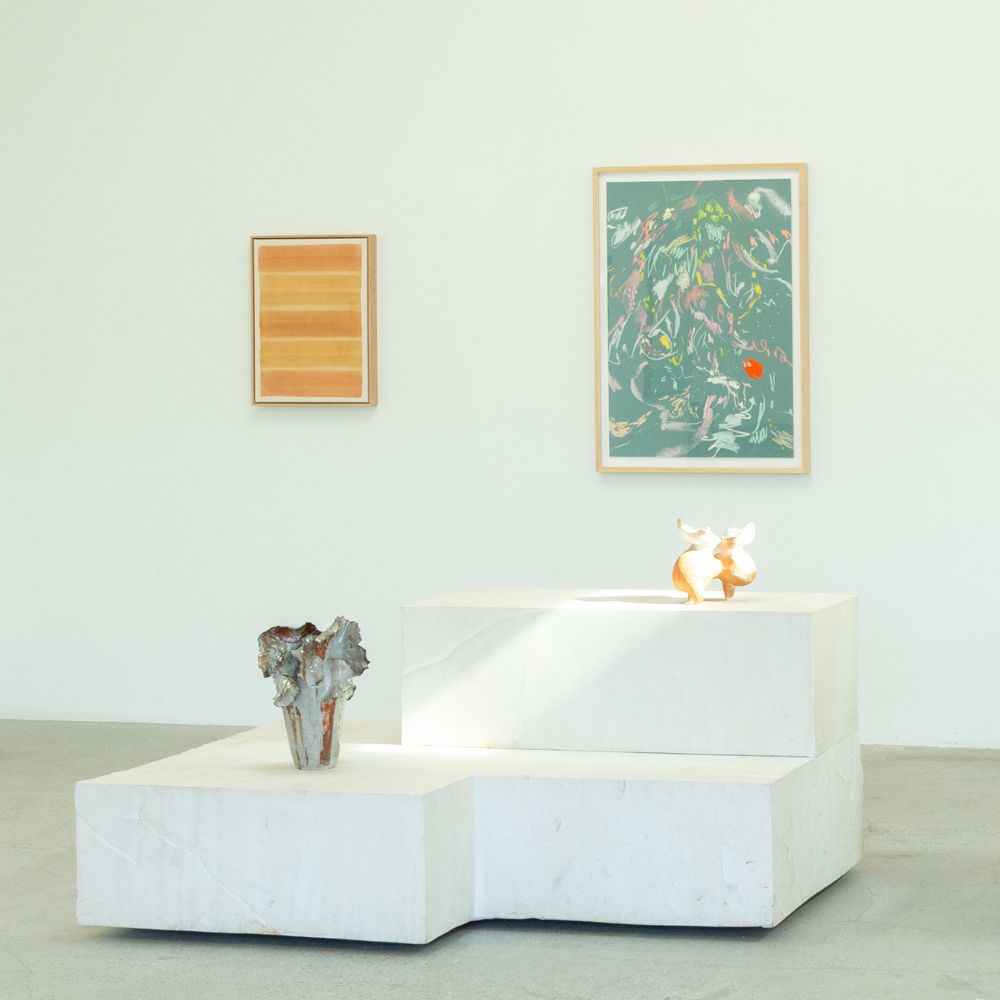
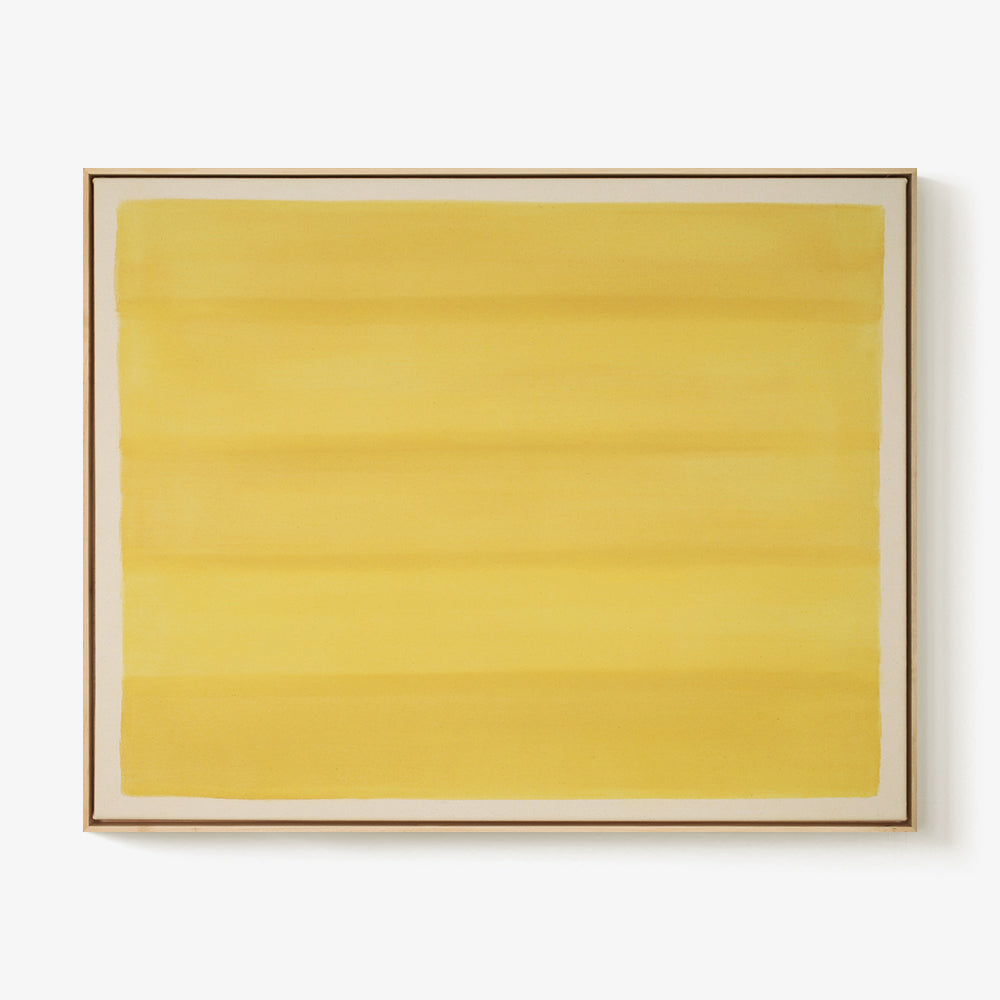
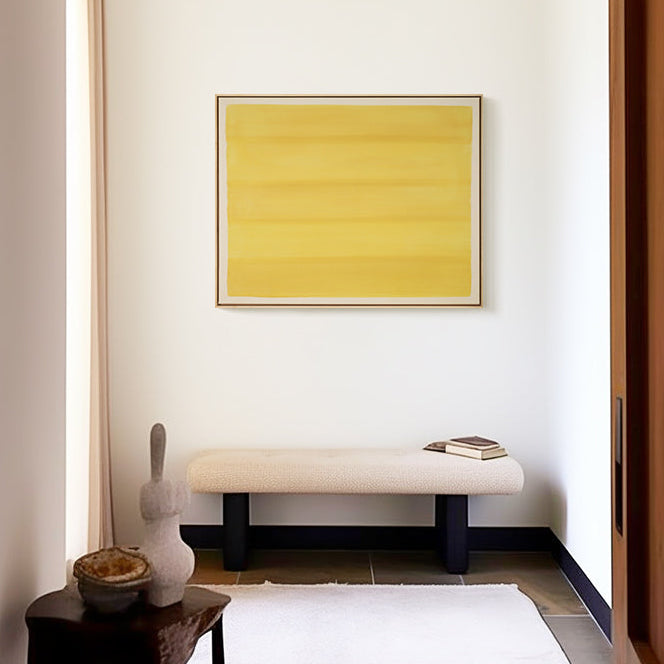
Untitled T 7
Acrylic, oil stick, and oil pastel on raw cotton
In her latests series, Marina Arias investigates subtle vibrations as a structural condition of tectonic matter, drawing conceptual grounding from the high-altitude plateau of the Puna de Atacama. The works consider tensions and moments of rest as continuous events within the landscape, where a nearly imperceptible subterranean pulse traverses the terrain even when it appears austere, stable, or still. Within this framework, the line functions as a system of registration rather than representation, translating variations of pressure, friction, and displacement. Through this gesture, Arias establishes a correspondence between corporeality and territory, allowing the pictorial mark to traverse and measure the landscape as much as depict it.
Across the series, both geological and painterly surfaces emerge through processes of accumulation, layering, and erosion. Time operates as an active material, generating strata, densities, and zones of friction that destabilize the boundary between the ethereal and the dense. Rather than offering a descriptive narrative of place, the works activate internal structures—rhythm, density, flow, and pause—positioning the practice at an operative threshold between control and drift, structure and contingency. In doing so, Arias constructs a sensitive terrain in which geological forces are translated into a material and perceptual experience.
About our custom frames
Be in the Know About Artwork Launches & Artist News
This service is currently unavailable,
sorry for the inconvenience.
Pair it with a frame
Frame options are for visualization purposes only.
FRAME STYLE
MATTING SIZE
BUILDING YOUR EXPERIENCE
powered by Blankwall
Take a few steps back and let your camera see more of the scene.
powered by Blankwall
Was this experience helpful?
In her latests series, Marina Arias investigates subtle vibrations as a structural condition of tectonic matter, drawing conceptual grounding from the high-altitude plateau of the Puna de Atacama. The works consider tensions and moments of rest as continuous events within the landscape, where a nearly imperceptible subterranean pulse traverses the terrain even when it appears austere, stable, or still. Within this framework, the line functions as a system of registration rather than representation, translating variations of pressure, friction, and displacement. Through this gesture, Arias establishes a correspondence between corporeality and territory, allowing the pictorial mark to traverse and measure the landscape as much as depict it.
Across the series, both geological and painterly surfaces emerge through processes of accumulation, layering, and erosion. Time operates as an active material, generating strata, densities, and zones of friction that destabilize the boundary between the ethereal and the dense. Rather than offering a descriptive narrative of place, the works activate internal structures—rhythm, density, flow, and pause—positioning the practice at an operative threshold between control and drift, structure and contingency. In doing so, Arias constructs a sensitive terrain in which geological forces are translated into a material and perceptual experience.
Artwork Information
Year
2026
Materials
Acrylic, oil stick, and oil pastel on raw cotton
Authentication
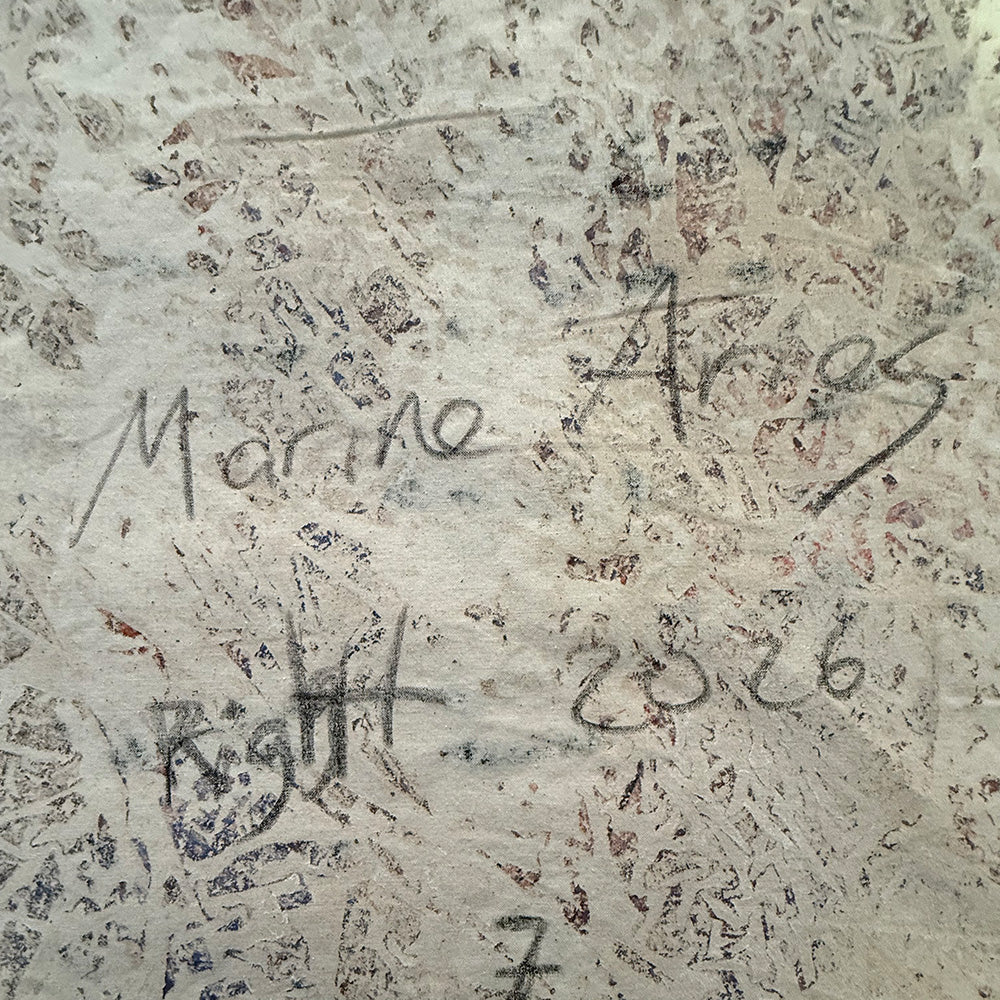
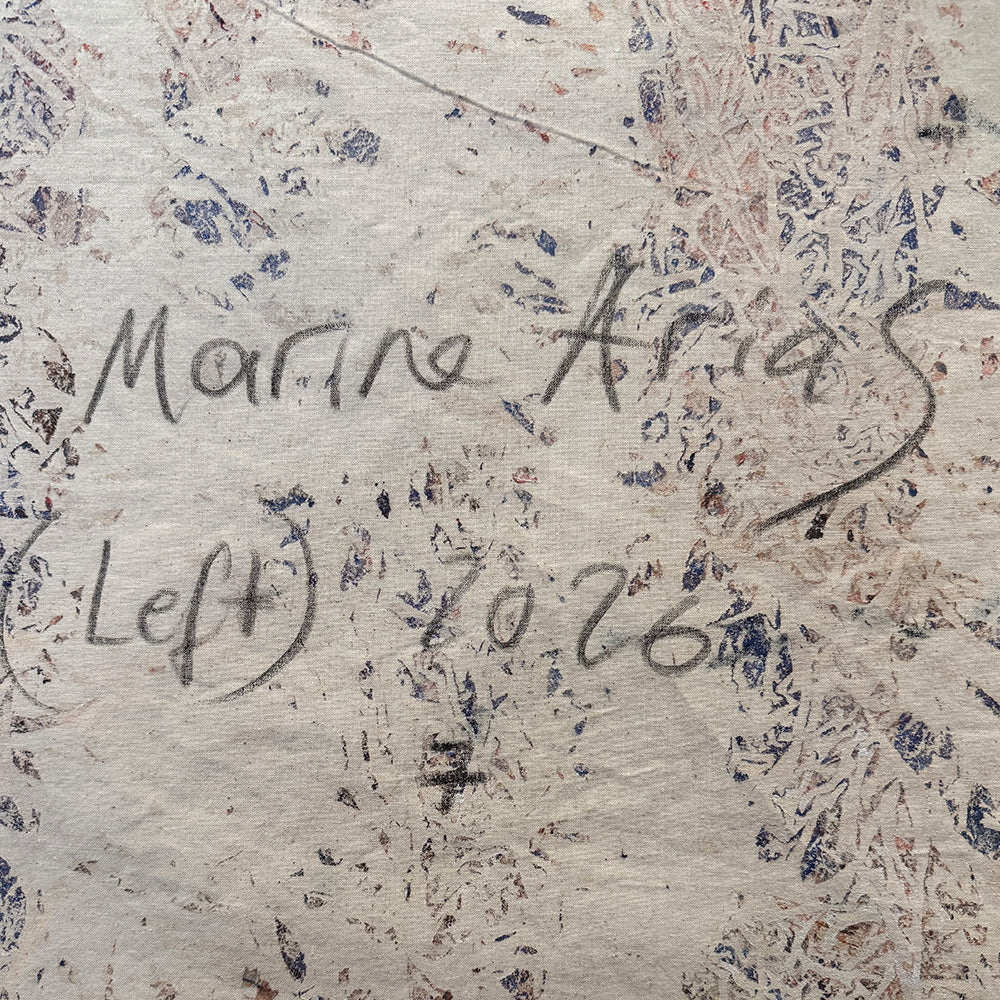
Signed by Artist
The work comes with a Certification of Authenticity signed by the Co-Founder of Tappan.
Dimensions
ARTWORK DIMENSIONS
50 x 84 inches
FRAMED DIMENSIONS
50 x 84 inches
Reveal: 51.75 x 85.75 x 2 inches
Unframed: 50 x 84 inches
This artwork is custom-framed in hand-built solid wood framing with archival materials. Custom framed artworks will ship in 1 - 3 weeks.
Custom Orders
We offer a wide variety of custom framing options, please reach out for more information.
Shipping times vary per artwork, text, email, or chat with us to expedite shipping.
text: 310-388-3425
email: info@thetappancollective.com
Art Advising Services
Complimentary art advising services available on request. More info here

About the Artist
Marina Arias
Marina Arias (b. Argentina) is a visual artist whose practice moves between painting and drawing, rooted in a lifelong exploration of materiality and form. She studied Interior Design and Furnishing at the National University, a background that informs her sensitivity to space and to the subtle ways environments shape inner experience, reflection, and self-recognition.
Since 2022, Arias has been based in Barcelona, where she has presented two solo exhibitions and participated in the Swab Art Fair. Her work has also been exhibited in Paris and New York. Drawing inspiration from the textures, minerals, and ethereal landscapes of the Puna de Atacama, Arias translates elemental energy into layered surfaces of pigment and texture. Her paintings invite viewers into a meditative encounter with nature, where traces of the earth’s transformations are echoed in color, gesture, and form.
Choose options
This service is currently unavailable,
sorry for the inconvenience.
Pair it with a frame
Frame options are for visualization purposes only.
FRAME STYLE
MATTING SIZE
BUILDING YOUR EXPERIENCE
powered by Blankwall
Take a few steps back and let your camera see more of the scene.
powered by Blankwall
Was this experience helpful?
In her latests series, Marina Arias investigates subtle vibrations as a structural condition of tectonic matter, drawing conceptual grounding from the high-altitude plateau of the Puna de Atacama. The works consider tensions and moments of rest as continuous events within the landscape, where a nearly imperceptible subterranean pulse traverses the terrain even when it appears austere, stable, or still. Within this framework, the line functions as a system of registration rather than representation, translating variations of pressure, friction, and displacement. Through this gesture, Arias establishes a correspondence between corporeality and territory, allowing the pictorial mark to traverse and measure the landscape as much as depict it.
Across the series, both geological and painterly surfaces emerge through processes of accumulation, layering, and erosion. Time operates as an active material, generating strata, densities, and zones of friction that destabilize the boundary between the ethereal and the dense. Rather than offering a descriptive narrative of place, the works activate internal structures—rhythm, density, flow, and pause—positioning the practice at an operative threshold between control and drift, structure and contingency. In doing so, Arias constructs a sensitive terrain in which geological forces are translated into a material and perceptual experience.